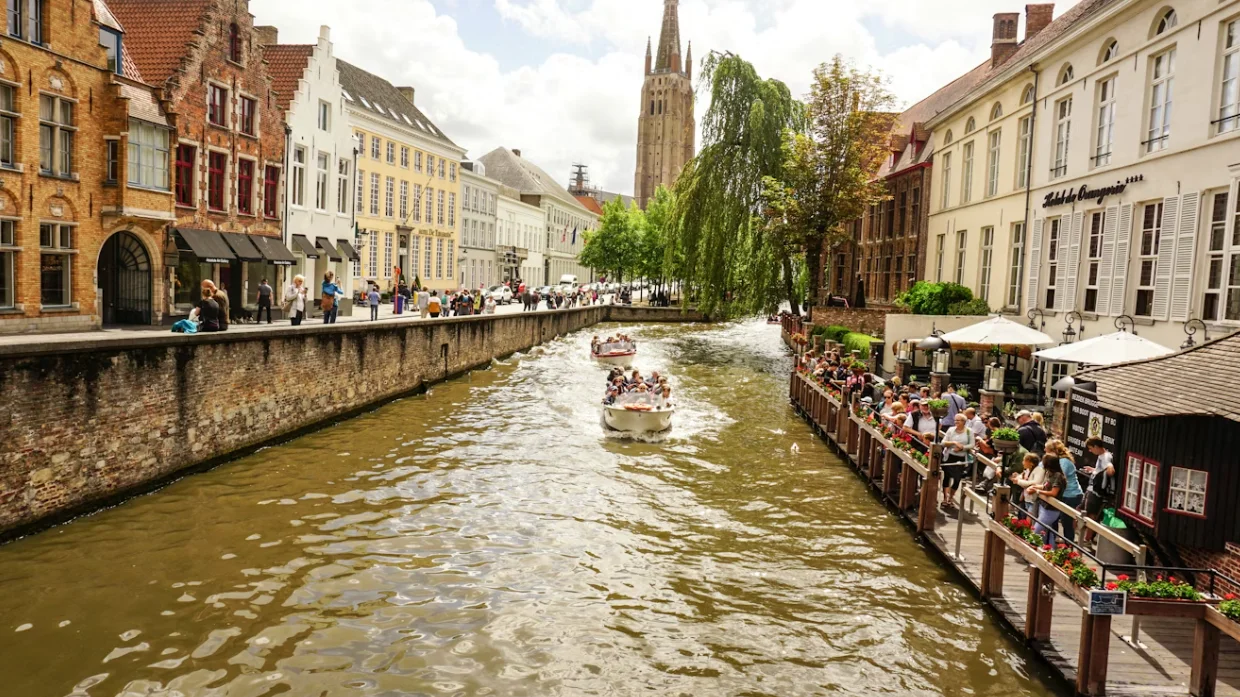
Planning travel to Belgium for the first time can feel surprisingly tricky: the country is compact, but every city has its own vibe, and moving between places is so easy that it’s tempting to squeeze in too much. This belgium travel guide will help you plan a trip that feels smooth and realistic — from choosing the best season to visit, to building a smart route, to understanding trains, airports, and transfers.
Belgium is perfect for travellers who want a mix of postcard-old towns, lively café culture, and day trips that don’t require long travel days. You can spend the morning in Brussels, have lunch in Antwerp, and still make it to Bruges before sunset — without ever feeling like you’re rushing through Europe.
In this guide, you’ll find practical planning advice, the best places to visit in Belgium, simple transport tips, and clear ideas for 3, 5, or 7 days — so you can spend less time Googling and more time actually enjoying the trip.
Why Visit Belgium (Who It’s Perfect For)
Belgium is one of those countries that quietly wins you over. It doesn’t try to impress you with huge distances or dramatic “must-see” moments every hour — instead, it gives you easy travel days, beautiful city centres you can explore on foot, and a food culture that turns simple breaks into highlights.
It’s a great choice if you want a European trip that feels full, but not exhausting.
Belgium is perfect for you if…
You’ll enjoy Belgium most if you like trips where you can mix history, local life, and small discoveries in the same day. Think: a slow morning walk past old guild houses, a museum visit after lunch, and a cosy beer bar or waffle stop when the weather turns.
It’s also ideal if you want to see multiple places without changing hotels every night. Many travellers stay in one base and do short trips — it’s one of the easiest countries in Europe for that.
It’s a smart first-time Europe destination
If this is your first time in Belgium (or even your first time in Western Europe), the logistics are refreshingly simple. Cities are close, signs are clear, and most places are used to tourists without feeling like theme parks. You don’t need to rent a car to have a good trip, and you can plan a route that stays flexible.
Who Belgium suits best
Belgium works especially well for:
-
Travellers who love walkable cities and compact itineraries
-
Food-focused trips (fries, chocolate, local bakeries, and great restaurants)
-
Couples looking for romantic day trips and pretty old streets
-
Families who want short transfers and manageable sightseeing days
-
Weekend travellers building a belgium weekend trip around one or two cities
-
Anyone who wants culture and atmosphere without the stress of long-distance travel
What Belgium feels like (in real life)
Belgium is not “one vibe.” Each city has its own rhythm.
Brussels feels international and busy, with grand architecture and neighbourhoods that change character fast. Bruges is the classic fairytale setting — especially early morning or late evening when it’s quieter. Ghent has a younger, creative energy, and Antwerp feels more modern, stylish, and local.
If you’re the kind of traveller who likes variety without long travel time, Belgium fits perfectly.
Best Time to Visit Belgium (Season-by-Season)
The best time to visit Belgium depends less on temperature and more on the kind of trip you want. Belgium is a year-round destination, but the experience changes a lot with the season — especially in smaller towns where the atmosphere is part of the charm.
The good news: distances are short, so even if the weather turns, you can still make the most of your days without losing hours to travel.
Spring (March to May): fresh air, fewer crowds, easy city breaks
Spring is one of the nicest times to visit Belgium if you want comfortable sightseeing days without peak-season prices. The days get longer, café terraces slowly return, and parks in Brussels and other cities start to feel alive again.
It’s a great season for walking tours, canal-side photos, and day trips where you want the streets to feel real — not packed.
Best for:
-
first-timers who want a balanced trip
-
city hopping without summer crowds
-
long walks in Bruges, Ghent, and Leuven
Watch out for:
-
changeable weather (sun + rain in the same afternoon is normal)
-
some attractions still running on “shoulder season” schedules early in spring
Summer (June to August): festivals, late sunsets, busiest months
Belgium travel in summer is lively. This is when the country feels most social: outdoor events, long evenings, and a lot more energy in city centres. It’s also the best time for coastal trips — especially if you want to spend a day in Ostend and get that classic “Belgian seaside” vibe.
The downside is obvious: crowds. Bruges in July can feel completely different compared to a quiet spring morning.
Best for:
-
travellers who want atmosphere and nightlife
-
outdoor dining and long days
-
adding the coast (Ostend) to a city itinerary
Watch out for:
-
higher hotel prices in popular cities
-
busy trains on weekends
-
needing reservations for top restaurants and museums
Autumn (September to November): cosy cities and calmer travel
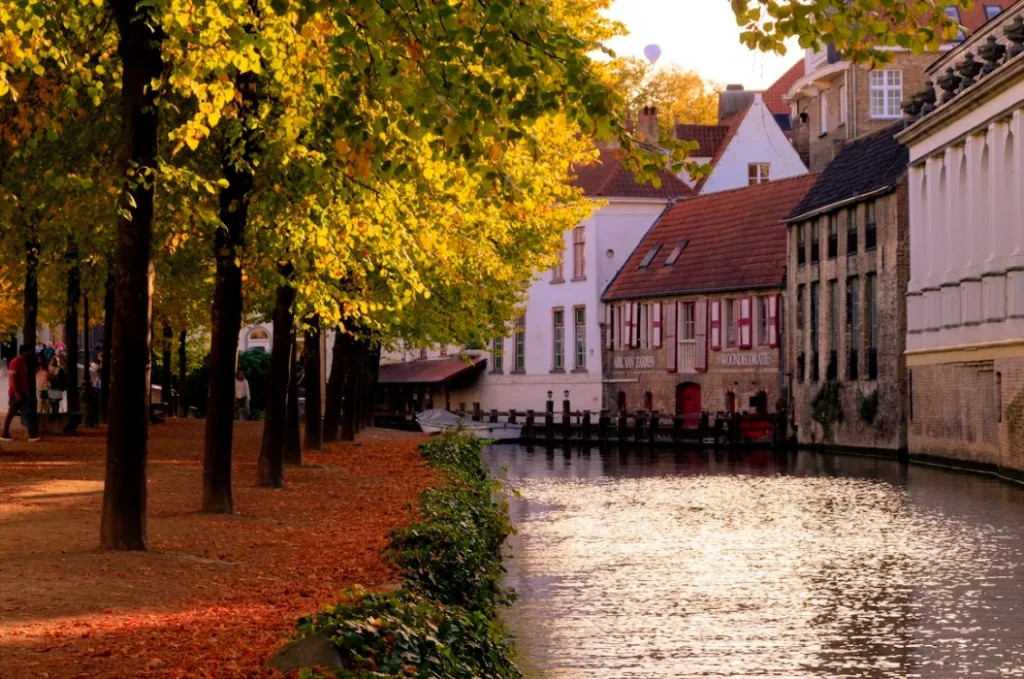
Autumn is a favourite for travellers who like quieter streets, warmer cafés, and a slower pace. September still feels pleasant, and by October you get that classic European “golden season” mood — especially in historic centres.
It’s also a good time for travellers who want to focus on museums, food, and walking routes without rushing.
Best for:
-
relaxed city breaks
-
travellers who love food and local beer culture
-
photography (soft light + fewer crowds)
Watch out for:
-
shorter days later in the season
-
rain becoming more frequent in November
Winter (December to February): Christmas markets and quiet mornings
Belgium travel in winter is all about atmosphere. Cities feel more intimate, and you can enjoy famous spots without the same crowds — especially early in the day. Brussels, Antwerp, and smaller towns often have seasonal lights, markets, and a cosy feel that works perfectly with Belgian comfort food.
It’s also a good season if you’re travelling on a tighter budget, since accommodation can be cheaper outside holiday weeks.
Best for:
-
Christmas markets and winter city breaks
-
travellers who prefer museums, cafés, and slow sightseeing
-
fewer tourists in Bruges and Ghent
Watch out for:
-
cold wind and grey skies (Belgium can feel damp in winter)
-
earlier sunsets
-
planning transfers carefully if you land late
So… when should you go?
If you want the best balance of weather and crowds, aim for April–June or September–early October. If you want maximum energy and long evenings, summer is ideal — just plan early. And if you want cosy streets and quieter travel days, winter can be surprisingly enjoyable, especially for short trips.
Best Places to Visit in Belgium (Top Cities + Hidden Gems)
One of the easiest ways to plan a great belgium itinerary is to pick two or three cities that match your travel style — then add one or two smaller places as day trips. Belgium is compact, so you don’t need to spend hours on trains to see a lot.
If you’re wondering about the top cities in Belgium, these are the places that give you the best mix of culture, atmosphere, and “wow” moments — without feeling like you’re doing the same city twice.
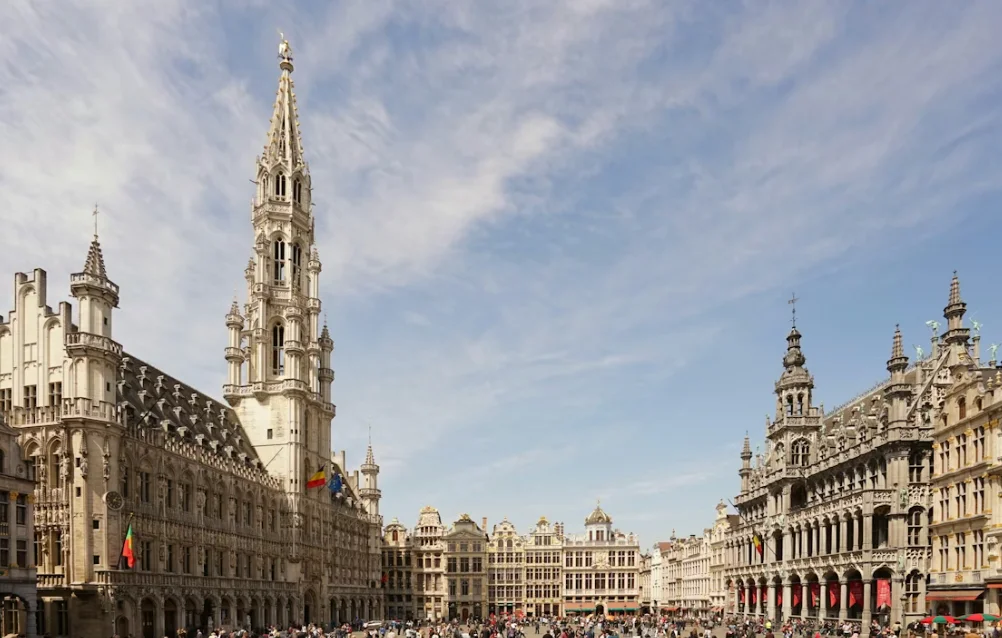
Brussels: big-city energy, culture, and the best base for day trips
Brussels is often the first stop, and it makes sense. It’s well connected, international, and full of contrasts — grand squares and modern districts, classic cafés and street art, quiet corners and busy markets.
Don’t treat Brussels like a “one-day capital.” Give it time to surprise you: neighbourhood walks, museums, local food spots, and evenings that feel more relaxed than many bigger European capitals.
Best for:
-
first-time visitors who want an easy base
-
museums, architecture, and city life
-
travellers who want flexible day trips
Bruges: the postcard city (and it’s worth it)
Bruges is one of the best places to visit in Belgium if you want that fairytale feeling: canals, cobblestones, old bridges, and buildings that look like they belong in another century.
The trick is timing. Bruges can be crowded during the day, but early morning and late evening feel completely different — quieter, softer, and more authentic.
Best for:
-
romantic trips
-
beautiful walks and photography
-
a slower, scenic day
Ghent: historic, lively, and a bit more local
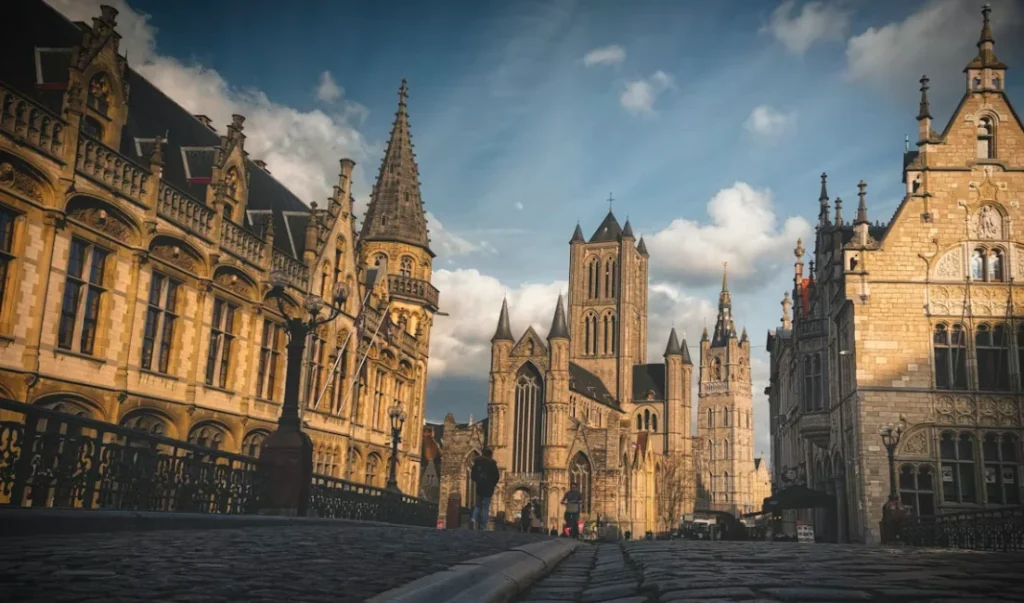
Ghent is a favourite for travellers who want medieval beauty without the full tourist intensity of Bruges. It has dramatic architecture, a young vibe (thanks to its student population), and a city centre that feels lived-in rather than staged.
If you want a place that mixes culture and nightlife, Ghent is an easy win.
Best for:
-
travellers who want history + energy
-
a more “real city” feel
-
food spots, bars, and evening walks
Antwerp: stylish, modern, and full of character
Antwerp feels different from the classic Belgian postcard image — it’s more fashion-forward, more creative, and a bit more independent. It’s also one of the best cities if you want a mix of art, design, shopping streets, and impressive architecture.
It’s a great addition if you’ve already done Bruges or Ghent and want something with a sharper edge.
Best for:
-
travellers who like modern culture and design
-
shopping and creative neighbourhoods
-
a city break that feels less “touristy”
Leuven: compact, charming, and easy to explore in a few hours
Leuven is a small city with a warm, relaxed atmosphere. It’s ideal if you want a calmer stop between bigger places or you’re looking for a day trip that’s easy and walkable.
It’s also a good option if you enjoy university towns — lively but not chaotic, with cosy cafés and beautiful old buildings.
Best for:
-
relaxed day trips
-
travellers who like quieter cities
-
easy walking routes and local cafés
Mechelen: the underrated stop between Brussels and Antwerp
Mechelen often gets skipped because it sits between two bigger names — but that’s exactly why it’s a great “hidden gem.” It’s small, scenic, and doesn’t feel overwhelmed by tourism.
If you want a half-day trip that feels peaceful and authentic, Mechelen is a smart addition to your route.
Best for:
-
travellers who want less crowded streets
-
a slower pace and local atmosphere
-
short, low-effort sightseeing
Dinant: dramatic views and a totally different vibe
Dinant feels like a change of scenery. It’s set along the river with steep cliffs behind it, and the landscape alone makes it worth the trip. If your Belgium plan is mostly city-based, Dinant gives you a fresh, outdoorsy contrast.
Best for:
-
day trips with scenery
-
travellers who want something beyond city centres
-
a more “nature + town” feel
Namur: relaxed riverside city with local charm
Namur is another excellent option if you want to escape the busiest tourist routes. It’s pleasant, walkable, and feels like a place where people actually live — not just visit.
It pairs nicely with Dinant, especially if you’re exploring the southern part of Belgium.
Best for:
-
calm day trips
-
riverside walks and slower travel days
-
travellers who like smaller cities
Liège: gritty, energetic, and different from the classic Belgium route
Liège isn’t the typical first-timer pick — and that’s exactly why it can be interesting. It has a more industrial, urban feel, with strong local character and a different pace compared to Bruges or Ghent.
If you want a city that feels less polished and more real, Liège can be a good fit.
Best for:
-
travellers who like local city life
-
something different from the “fairytale” cities
-
food markets and urban energy
Ostend: a simple coastal escape
Ostend is the easy seaside option. It’s not about perfect beaches — it’s about the feeling of open air, sea views, and a break from the city rhythm. Even a short visit can reset your trip, especially in warmer months.
Best for:
-
a coastal day trip
-
summer travel and long evenings
-
a slower, relaxed change of pace
Quick “where to go” summary (simple planning idea)
If you want a smooth route without overplanning, these combinations work well:
-
Classic first trip: Brussels + Bruges + Ghent
-
City + modern vibe: Brussels + Antwerp + Mechelen
-
Mix of culture + scenery: Brussels + Namur + Dinant
-
Weekend focus: Brussels + one day trip (Bruges or Ghent)
How Many Days in Belgium (3, 5, 7-Day Ideas)
One of the most common questions when planning a first trip is how many days in Belgium you actually need. The honest answer: Belgium is small enough to see a lot quickly, but interesting enough that rushing can make it feel like a checklist.
A good plan isn’t about “doing everything.” It’s about choosing a pace that matches your travel style — and leaving space for small moments: a long lunch, an unexpected museum, a quiet evening walk when the streets finally calm down.
Below are three simple timeframes that work well for first-timers.
3 days in Belgium: a smart first taste (without stress)
Three days is perfect if you’re visiting Belgium as part of a bigger Europe trip, or you’re planning a long weekend. The best approach is to stay based in one city and add one day trip — otherwise you’ll spend too much time checking in and out of hotels.
Best base: Brussels
Best day trip: Bruges or Ghent (choose one)
A realistic 3-day idea:
-
Day 1: Brussels (city centre + neighbourhood walk)
-
Day 2: Day trip to Bruges or Ghent
-
Day 3: Brussels (museums, markets, relaxed finish)
This works especially well if you want a trip that feels easy and well-paced, not packed.
5 days in Belgium: the best balance for first-timers
Five days is the sweet spot for most travellers. It gives you time to experience the “big names” and still add something smaller that feels personal.
With 5 days, you can build a belgium travel itinerary that feels complete — without rushing through cities too quickly.
A solid 5-day approach:
-
2 nights in Brussels (good base, easy arrival)
-
2 nights in Ghent or Bruges (pick the vibe you prefer)
-
1 flexible day for Antwerp, Leuven, or a quieter stop like Mechelen
This is also the easiest length if you want to include both a classic postcard city and a more modern, local-feeling place.
7 days in Belgium: deeper travel + day trips that feel different
A full week gives you room to slow down and explore beyond the standard route. You can add smaller cities, scenery-based trips, and evenings that aren’t just “eat and sleep.”
If you like travel that feels layered — culture, food, architecture, and a bit of nature — seven days is ideal.
A strong 7-day plan could include:
-
Brussels
-
Bruges
-
Ghent
-
Antwerp
-
plus one or two day trips (Dinant, Namur, or Ostend)
This timeframe is also great if you want to stay in fewer hotels and do more exploring by train.
A quick planning rule that makes Belgium easier
If you’re unsure how to structure your trip, here’s a simple rule that works for most first-timers:
Pick 2 main cities + 1 day trip.
That’s it.
Belgium’s connections are so good that you don’t need to move every night. You’ll see more (and enjoy it more) if you keep the plan light and flexible.
If you have limited time, what should you prioritise?
If you only have a few days, prioritise based on what you want Belgium to feel like:
-
For classic beauty: Bruges
-
For atmosphere + nightlife: Ghent
-
For modern culture: Antwerp
-
For convenience + variety: Brussels
-
For calm + local charm: Leuven or Mechelen
-
For scenery: Dinant or Namur
-
For sea air: Ostend
Getting Around Belgium (Train, Bus, Taxi, Private Transfer)
Belgium is one of the easiest countries in Europe to move around without a car. Distances are short, cities are well connected, and you can build a smooth route even if you’re travelling for the first time.
For most travellers, the best mix is simple: trains for city-to-city travel, local transport inside cities, and taxis or transfers when timing matters.
Getting Around Belgium: Transport Options Compared
Why this matters:
Belgium is easy to explore, but the best option depends on your route and timing.
Trains work brilliantly between cities, while taxis and private transfers are often the simplest choice for late arrivals,
heavy luggage, or direct airport-to-hotel travel.
Trains: the fastest and easiest way between cities
For most routes, the train is the most practical option. It’s usually quicker than driving, and you don’t need to think about parking, traffic, or confusing one-way streets in historic centres.
Trains are ideal for:
-
Brussels → Bruges
-
Brussels → Ghent
-
Brussels → Antwerp
-
Brussels → Leuven
-
Antwerp → Mechelen
If you’re doing a multi-city route, trains are the backbone of your plan — especially for a first trip.
Local transport: trams, metro, and city buses
In bigger cities, local networks are easy to use. You don’t need to master every line — most travellers only use local transport a few times per day, mainly to save time or avoid long walks when the weather changes.
This is where belgium public transport is genuinely helpful: you can combine walking with short rides and keep your day comfortable.
Local transport works best for:
-
getting across Brussels quickly
-
reaching stations without a long walk
-
evening trips back to your hotel
Buses: useful sometimes, but not always the best option
Buses can be helpful for smaller routes, but for most travellers, they’re not the main way to move between major cities. Trains are usually faster and more reliable for classic tourist routes.
That said, if you’re going somewhere less central, a bus might be part of the journey — especially for day trips outside the usual city triangle.
Taxis: convenient, but best used strategically
Taxis in Belgium are most useful when you want convenience, not when you’re trying to save money. They’re great for short trips inside a city, or for those moments when you don’t want to deal with stairs, platforms, or waiting outside in the rain.
A taxi makes sense when:
-
you’re travelling late at night
-
you have heavy luggage
-
you’re moving between hotels and stations
-
you want a direct ride without navigation stress
This is also where many travellers choose a belgium airport taxi after landing — especially if it’s their first time and they want the simplest arrival possible.
Private transfer: best for comfort, timing, and “no surprises”
A private transfer isn’t something you need every day — but it can make a big difference in specific situations. If you value comfort, fixed planning, and a smooth start to the trip, this is often the easiest option.
A private transfer Belgium is especially helpful if:
-
your flight arrives late
-
you’re travelling with kids or a group
-
you have multiple suitcases
-
you want a direct door-to-door ride
-
you’re short on time and don’t want delays
It’s also a good solution if you’re staying outside the city centre or heading straight to a hotel without stopping at the station first.
Train vs taxi vs private transfer (honest comparison)
Here’s the simplest way to decide, without overthinking it:
Choose the train if:
-
you’re travelling city-to-city
-
you’re moving during normal daytime hours
-
you want the best value and predictable travel time
Choose a taxi if:
-
you need a quick ride inside a city
-
you’re carrying luggage
-
you’re travelling late and want a direct option
Choose a private transfer if:
-
you want a smooth arrival with no logistics
-
you’re landing late or travelling early
-
you want someone waiting and a direct route to your hotel
Small travel tips that make a big difference
A few simple habits will make getting around Belgium feel much easier:
-
Keep your day plan realistic: Belgium is small, but cities still take time to enjoy
-
If you’re doing a day trip, leave early and come back before the evening rush
-
On rainy days, plan one indoor activity (museum, gallery, brewery tour)
-
If you’re travelling with luggage, avoid unnecessary hotel changes
-
For late arrivals, plan your transport before you land — it reduces stress immediately
Belgium Airports Explained (BRU vs CRL + ANR + OST)
Belgium may be small, but it has several airports — and choosing the right one can shape your entire trip. If you’re wondering which airport to fly to Belgium, the best option depends on your route, your budget, and how much time you want to spend getting into the city after landing.
Here’s a simple breakdown of the main belgium airports, what they’re best for, and what to expect when you arrive.
Belgium Airports Explained (BRU vs CRL + ANR + OST)
Why this matters:
Belgium airports differ a lot in distance, connectivity, and late-night convenience.
If you want the smoothest arrival experience, choosing the right airport (and planning your transfer early) can make a big difference.
Brussels Airport (BRU): best for convenience and first-time travellers
Brussels Airport (BRU) is the main international airport and usually the easiest choice for a first trip. It has strong connections, a smooth arrival experience, and it’s the most practical airport if Brussels is your starting point.
It’s also a good option if your plan includes multiple cities, because Brussels works well as a base for day trips.
Best for:
-
first-time visitors
-
travellers who want a simple arrival
-
routes starting in Brussels, Leuven, or nearby cities
Typical arrival scenario:
-
You land, pick up your luggage, and you’re quickly on your way into town without complicated planning.
Charleroi Airport (CRL): budget flights, but plan extra time
Charleroi Airport (CRL) is popular for low-cost airlines, and it can be a good deal — but it often requires more planning. It’s farther from Brussels, and the journey into the city can take longer than many travellers expect.
If you’re landing here, it’s worth thinking about your timing, especially if you arrive late, have a tight schedule, or want to head straight to a hotel.
Best for:
-
budget travellers
-
short trips where the flight price matters most
-
travellers who don’t mind a longer transfer
Common first-timer mistake:
-
booking a cheap flight, then realising the extra transfer time and cost reduces the “savings.”
Antwerp Airport (ANR): small, simple, and niche
Antwerp Airport (ANR) is a smaller airport and not the most common entry point for international visitors. But if you find a flight that works and Antwerp is your main destination, it can be a convenient shortcut.
This airport is best seen as a “nice bonus” option — not a default choice.
Best for:
-
travellers going directly to Antwerp
-
short-haul routes and specific flight connections
-
people who prefer smaller airports
Ostend Airport (OST): useful for the coast (and a quieter arrival)
Ostend Airport (OST) is another smaller airport. It’s most relevant if your trip includes the Belgian coast, or if you want a calmer, less crowded arrival experience.
For most first-time visitors focused on Brussels, Bruges, or Ghent, Ostend is less common — but it can work well depending on your route.
Best for:
-
travellers heading to Ostend or coastal areas
-
quieter travel styles
-
routes that don’t need Brussels as the first stop
BRU vs CRL: which one should you choose?
If you’re choosing between the two main options, here’s the simplest way to decide:
Choose Brussels Airport if you want:
-
the most straightforward arrival
-
the easiest connection to the city
-
fewer transport decisions after landing
Choose Charleroi Airport if you want:
-
cheaper flight options
-
flexibility with time
-
a budget-first approach
In many cases, paying slightly more for BRU saves you time and effort — especially if your trip is short.
Getting into Brussels: what to expect
Two of the most common route questions are:
-
brussels airport to city centre
-
charleroi airport to brussels
Both routes are doable, but they feel different in real life.
From BRU, the journey is usually quicker and simpler, especially if you’re arriving with luggage or after a long flight. From CRL, it often takes longer and requires more planning — which matters if you’re arriving late, travelling with kids, or trying to check into your hotel before midnight.
A practical planning tip (especially for short trips)
If you’re visiting Belgium for only 3–5 days, your airport choice matters more than you think. A long arrival transfer can eat into your best sightseeing hours — and Belgium’s biggest advantage is how easy it is to move around.
For short trips, convenience often beats “cheap flight wins.”
Airport Transfers in Belgium (When It Makes Sense)
Airport transfers in Belgium aren’t something everyone needs — but in the right situation, they can make your trip feel smoother from the very first hour. The main benefit isn’t luxury. It’s simplicity: no guessing, no searching, and no stressful “what now?” moment after you land.
If you’re planning your trip carefully, this part is worth thinking about early, because your arrival sets the tone for the whole experience.
When an airport transfer is genuinely the best option
A planned airport transfer Belgium makes the most sense when convenience matters more than saving a few euros. This is especially true if you’re arriving on a tight schedule or you simply want a calm start.
It’s a good choice if:
-
You arrive late at night
Trains and public transport don’t always match flight delays. A transfer keeps things predictable when you just want to reach your hotel and sleep. -
You’re travelling with luggage (or more than one suitcase)
Dragging bags through stations, stairs, and platforms can turn a short journey into a tiring one. -
You’re travelling with children
A direct ride helps a lot if you have a stroller, tired kids, or you want to avoid multiple steps after landing. -
You’re visiting Belgium for a short time
If you only have 3 days, losing time on arrival logistics can feel like losing a whole morning of sightseeing. -
You want a direct hotel drop-off
This is where a transfer is often more comfortable than public transport — especially if your accommodation isn’t right next to a major station.
Brussels Airport transfers: the easy arrival option
If you land at BRU, a brussels airport transfer is usually the simplest way to start your trip, especially if you want a direct ride with no planning. Many travellers choose it when they don’t want to think about tickets, platforms, or connections right after landing.
It’s also a practical option if you want a smooth brussels airport pickup, especially in bad weather or when you’re arriving during busy hours.
If you’re staying in Brussels, it can be the easiest way to handle the brussels airport to city centre route without any guesswork.
Charleroi Airport transfers: useful when timing is tricky
Charleroi is often the airport people choose for cheaper flights — but it can feel less convenient after landing. If you’re arriving late, travelling as a group, or trying to get into the city without delays, a charleroi airport transfer can make the experience much easier.
This is particularly true for the charleroi airport to brussels route, where travellers sometimes underestimate how long it takes (especially if there are queues, delays, or you miss the timing of public transport).
Taxi vs private transfer: what’s the difference in real life?
For many travellers, the question is not “transfer or not,” but how to do it.
A taxi is usually best when:
-
you want a quick ride without pre-planning
-
you’re already in the city and moving short distances
-
you don’t mind checking availability on the spot
A private transfer is often better when:
-
you want a fixed plan and a predictable pickup
-
you’re arriving late or early
-
you want a clear meeting point and direct route
This is why many travellers choose a taxi from Brussels Airport only when everything feels straightforward — and book a transfer in advance when timing is sensitive.
What first-time travellers often underestimate
If you’re doing belgium trip planning for the first time, the arrival day is the easiest place to make the trip feel stressful — even if Belgium itself is simple to travel around.
People often underestimate:
-
how tired they’ll feel after flying
-
how annoying luggage can be in busy stations
-
how quickly a “small delay” becomes a lost evening
-
how much better the trip feels when the first hour is smooth
A simple rule to decide
If you’re not sure what to choose, this rule works well:
-
If your arrival is daytime + light luggage + flexible schedule, public transport is usually fine.
-
If your arrival is late + heavy luggage + kids + short trip, a transfer often makes more sense.
It’s not about spending more. It’s about protecting your time and energy — especially on day one.
Travel Costs in Belgium (What to Expect)
A big part of smart planning is knowing what your daily spending might look like — especially if you’re visiting for the first time and you’re wondering is Belgium expensive compared to other European destinations.
Belgium isn’t the cheapest country in Europe, but it’s not the most expensive either. The good news is that you can control your budget quite easily by making a few simple choices: where you stay, how often you sit down in restaurants, and how you move between cities.
Accommodation: your biggest variable
Hotels and apartments will usually be your main cost. Prices depend heavily on the city and the season.
In general:
-
Brussels has the widest range, from budget stays to higher-end hotels.
-
Bruges can feel pricey for what you get, especially in peak season.
-
Ghent and Antwerp often give better value than Bruges with a similar city experience.
-
Smaller cities like Leuven or Mechelen can be calmer and sometimes cheaper, while still being well connected.
If you’re trying to keep costs under control, book early for weekends — especially if you’re planning a short trip.
Food and drinks: easy to enjoy without overspending
Belgium is a country where “small food breaks” are part of the trip. You don’t need fine dining every day to eat well here.
A realistic approach:
-
one sit-down meal per day
-
one casual snack stop (waffle, fries, bakery)
-
coffee breaks when you feel like it
You can keep things comfortable without turning every meal into a big expense.
Also worth knowing: drinks in central tourist areas can be noticeably more expensive than in neighbourhood spots a few streets away.
Museums and attractions: mix paid + free
Belgium’s major cities have plenty of paid attractions, but you don’t need to pay for something every hour. Some of the best moments are simply walking through historic centres, crossing bridges, or finding a quiet square.
A smart budget rhythm is:
-
one paid attraction per day
-
the rest: walking routes, neighbourhoods, viewpoints, markets
This keeps your days interesting without inflating your costs.
Transport: affordable if you use trains strategically
Transport in Belgium is usually reasonable — especially if you rely on trains for city-to-city travel. It’s one of the easiest ways to build a smooth route without renting a car.
Where costs can rise quickly is when you use taxis frequently inside cities, especially for short rides. A good strategy is to walk when you can, use local transport when needed, and save taxis for situations where they actually help (late nights, luggage, tight timing).
Transfers: worth it when convenience matters
Airport transfers can feel like an “extra,” but they can also be a smart choice depending on your trip style.
For example:
-
if you arrive late
-
if you’re travelling with children
-
if you have heavy luggage
-
if you want to go straight to your hotel
In those cases, paying for comfort can be worth it — not because Belgium is hard to travel, but because the first hour after landing is when travellers feel the most tired.
A simple daily budget mindset
Instead of trying to calculate every euro, it helps to think in categories:
-
Low-budget travel: simple accommodation + casual food + mostly walking and trains
-
Mid-range travel: comfortable hotel + a few restaurant meals + occasional taxis
-
Higher-comfort travel: central hotels + frequent dining + private transfers and convenience
Belgium works well for all three — it just depends on what kind of trip you want.
Small tips that save money without ruining the trip
A few practical ways to keep costs under control:
-
Stay slightly outside the most touristy streets (especially in Bruges)
-
Use one base city and do day trips instead of changing hotels often
-
Book accommodation early for weekends
-
Walk more in city centres — Belgium’s best areas are made for walking
-
Spend on convenience when it matters (arrival day), not randomly every day
Safety Tips for Tourists (Simple & Practical)
If you’re asking is Belgium safe for tourists, the short answer is yes — Belgium is generally a safe and comfortable destination for first-time travellers. Most trips go smoothly, and the biggest “risks” are the same as in any busy European country: pickpocketing, tourist scams, and small situations that happen when you’re distracted.
You don’t need to feel paranoid. You just need a few simple habits that keep your trip stress-free.
The most common issue: pickpocketing in crowded areas
In popular spots — especially busy squares, stations, and public transport — pickpocketing can happen. It’s not something that should scare you, but it’s worth being aware of.
Be extra alert:
-
in busy train stations
-
on crowded trams or metro lines
-
in tourist-heavy areas in Brussels and Bruges
-
during festivals, markets, and weekend crowds
Simple rule: if the area is packed and you’re looking around, your bag should be closed and in front of you.
Keep your valuables “boring and invisible”
The best travel safety habit is to make your valuables uninteresting. Avoid keeping everything in one place, and don’t leave your phone on café tables where it’s easy to grab.
Practical habits:
-
carry only what you need for the day
-
keep your wallet in a secure pocket or inside a closed bag
-
use a crossbody bag that sits in front of you in crowds
-
keep passport and spare cards at your accommodation
Stations at night: fine, but stay aware
Belgium’s stations are generally safe, but like anywhere, late-night travel can feel less comfortable — especially if you’re alone or unfamiliar with the area.
If you arrive late:
-
stay in well-lit areas
-
avoid empty streets right outside stations
-
don’t stand distracted on your phone with luggage open
-
if you feel unsure, take a direct ride to your hotel instead of walking
This is one reason some travellers choose a transfer after landing late — not out of fear, but because it removes the “where do I go now?” moment.
Watch out for “friendly distractions”
Some tourist scams are very simple: someone asks a question, bumps into you, or creates a distraction while another person takes advantage.
If something feels off:
-
keep moving
-
don’t open your wallet in public
-
don’t hand your phone to strangers
-
politely say no and walk away
Belgium is not a scam-heavy destination, but in busy tourist zones, it’s smart to stay alert.
Nightlife safety: easy if you plan the basics
Belgium has a strong café and beer culture, and evenings are a big part of the travel experience. Most people have a great time with zero issues — just keep a few basics in mind:
-
don’t leave drinks unattended
-
know how you’re getting back to your accommodation
-
avoid walking long distances alone late at night in unfamiliar areas
-
keep your phone charged before going out
If you’re staying outside the centre, plan transport ahead of time.
Solo travellers: Belgium is a comfortable choice
Belgium is a good country for solo travel. It’s easy to navigate, and cities are compact enough that you can explore without feeling overwhelmed.
The same rules apply:
-
stay aware in crowded places
-
trust your instincts
-
choose well-lit routes at night
-
don’t push your schedule too late if you feel tired
A simple “first-time Belgium” safety mindset
For most travellers, Belgium feels safe and manageable. The key is not to overthink it. Just keep your valuables secure, stay aware in busy areas, and plan your late-night transport in advance.
If you do that, Belgium is the kind of destination where you can relax and enjoy the trip — which is exactly what a first-time visit should feel like.
Sample Itineraries (3 Days + 5 Days)
If you want your trip to feel smooth, the best approach is to keep the plan simple and build around train connections. Belgium is small, so you can see a lot — but the best itineraries leave space for slow moments: a long lunch, an unplanned museum, or an evening walk when the city finally quiets down.
Below are two easy itineraries that work well for first-time travellers.
3-Day Belgium Itinerary (Brussels + 1 day trip)
This is a great option if you’re visiting for a long weekend or adding Belgium to a bigger Europe route. The key is staying in one base and avoiding hotel changes.
Base: Brussels
Day 1: Brussels (first impressions + classic sights)
Start with the city centre and keep your pace relaxed. Brussels is a place where the atmosphere matters as much as the “main sights,” so don’t rush through it.
Good day flow:
-
a slow walk through the central streets and squares
-
a museum or cultural stop in the afternoon
-
dinner in a neighbourhood that feels local, not just touristy
If you arrive on this day, keep the evening light. The goal is to settle in, not “win the trip” in the first six hours.
Day 2: Day trip to Bruges or Ghent (choose one)
Both are excellent — but they offer different moods.
Choose Bruges if you want:
-
canals, old bridges, postcard streets
-
a romantic, scenic day
-
a slower, quieter atmosphere (especially early morning)
Choose Ghent if you want:
-
medieval architecture with a more lived-in feel
-
a younger vibe and more energy
-
a day that mixes sightseeing and café culture easily
For a smoother experience, leave early and return before late evening. You’ll enjoy the day more when you’re not racing the clock.
Day 3: Brussels (neighbourhoods + a calm finish)
Use your last day for the parts of Brussels that make it feel personal: neighbourhood walks, markets, small food stops, and any museum you skipped.
This is also a good day for shopping, slow cafés, and a final dinner without pressure.
5-Day Belgium Itinerary (Brussels + Ghent + Antwerp)
This itinerary gives you variety without feeling hectic. It’s one of the easiest ways to build a balanced belgium travel itinerary with a mix of classic beauty, city energy, and local atmosphere.
Bases: Brussels + Ghent (or Bruges) + Antwerp
Day 1: Brussels (arrival + easy city centre walk)
Keep it light and enjoyable. Focus on a first walk, a good meal, and an early night if you’ve travelled far.
If you land late or arrive with heavy luggage, a direct ride to your accommodation can save your energy for the next day — Belgium is easy to explore, but day one is when people feel the most tired.
Day 2: Brussels (culture day + local food)
This is your “proper Brussels” day.
A good structure:
-
morning: one major cultural stop
-
afternoon: neighbourhood exploring and cafés
-
evening: relaxed dinner and a slow walk
You don’t need to overpack it. Brussels works best when you give it breathing space.
Day 3: Ghent (historic centre + evening atmosphere)
Move to Ghent and enjoy the change of pace. Ghent is ideal for walking, and it feels especially good in the evening when the streets are calmer and the lights come on.
Plan a day that includes:
-
historic centre exploration
-
one museum or landmark
-
a long dinner or casual bar stop
If you prefer Bruges instead of Ghent, you can swap it — just expect a more scenic, quieter vibe and more daytime tourism.
Day 4: Bruges or Mechelen (day trip with a different mood)
From Ghent, it’s easy to add a scenic day without stress.
Two great options:
-
Bruges for the classic fairytale look
-
Mechelen for a calmer, underrated city break between the bigger names
This day works best when you keep it flexible: walk, snack, explore, and don’t chase a strict checklist.
Day 5: Antwerp (modern city energy + stylish finish)
Finish your trip in Antwerp for a different vibe: more modern, creative, and local. Antwerp is great for travellers who enjoy design, shopping streets, and a city that feels less like a postcard and more like real everyday Belgium.
It’s a strong final stop because it gives your trip contrast — you don’t end with “another old town,” you end with something fresh.
A small tip that makes these itineraries easier
Belgium’s biggest advantage is how easy it is to move between cities — but that doesn’t mean you should move every day.
If you want your trip to feel smooth:
-
choose 2–3 bases maximum
-
build day trips around short train rides
-
keep evenings calm, especially after travel days
That’s how Belgium stays enjoyable instead of exhausting.
FAQ
Is Belgium expensive?
Belgium can feel mid-range by Western European standards. You can keep costs reasonable by staying slightly outside the most touristy streets, using trains between cities, and mixing restaurant meals with casual local food stops.
Is Belgium safe for tourists?
Yes, Belgium is generally safe for tourists. The main thing to watch for is pickpocketing in crowded areas like busy stations and popular city centres, especially in Brussels and Bruges.
How many days in Belgium is enough?
For a first trip, 3 days is great for Brussels plus one day trip. 5 days is the best balance if you want multiple cities. 7 days works well if you want to add smaller towns and slower travel days.
Belgium travel for first time: where should I start?
Most first-timers start in Brussels because it’s well connected and easy to use as a base. From there, Bruges, Ghent, and Antwerp are simple to reach by train.
What are the best Belgium day trips?
The most popular day trips are Bruges and Ghent. If you want something quieter or more scenic, Dinant, Namur, Leuven, and Mechelen are great options depending on your route.
Belgium travel in winter: is it worth it?
Yes — winter can be a great time for a cosy city break, especially if you enjoy museums, cafés, and quieter streets. Just expect colder, greyer weather and plan shorter daylight hours.
Belgium travel in summer: what should I expect?
Summer is lively, busy, and perfect for long evenings and festivals. Bruges can get crowded, so it helps to start early in the day and book accommodation in advance for weekends.
Which airport should I fly to in Belgium?
If you want the simplest arrival, Brussels Airport (BRU) is usually the best option. Charleroi Airport (CRL) often has cheaper flights, but it can take longer to reach Brussels and may require more planning.
Final thoughts
Belgium is easy to travel, but the best trips come from keeping your plan realistic: pick a few cities, travel by train, and leave space for the small moments that make the country special. This belgium travel guide is designed to help you build a route that feels smooth, not rushed — whether you’re here for a weekend or a full week.
If you’re arriving late or travelling with luggage, booking an airport transfer in advance can make your first hours in Belgium much easier.