Belgium

3 Days in Belgium: Brussels, Ghent and Bruges, Done Properly

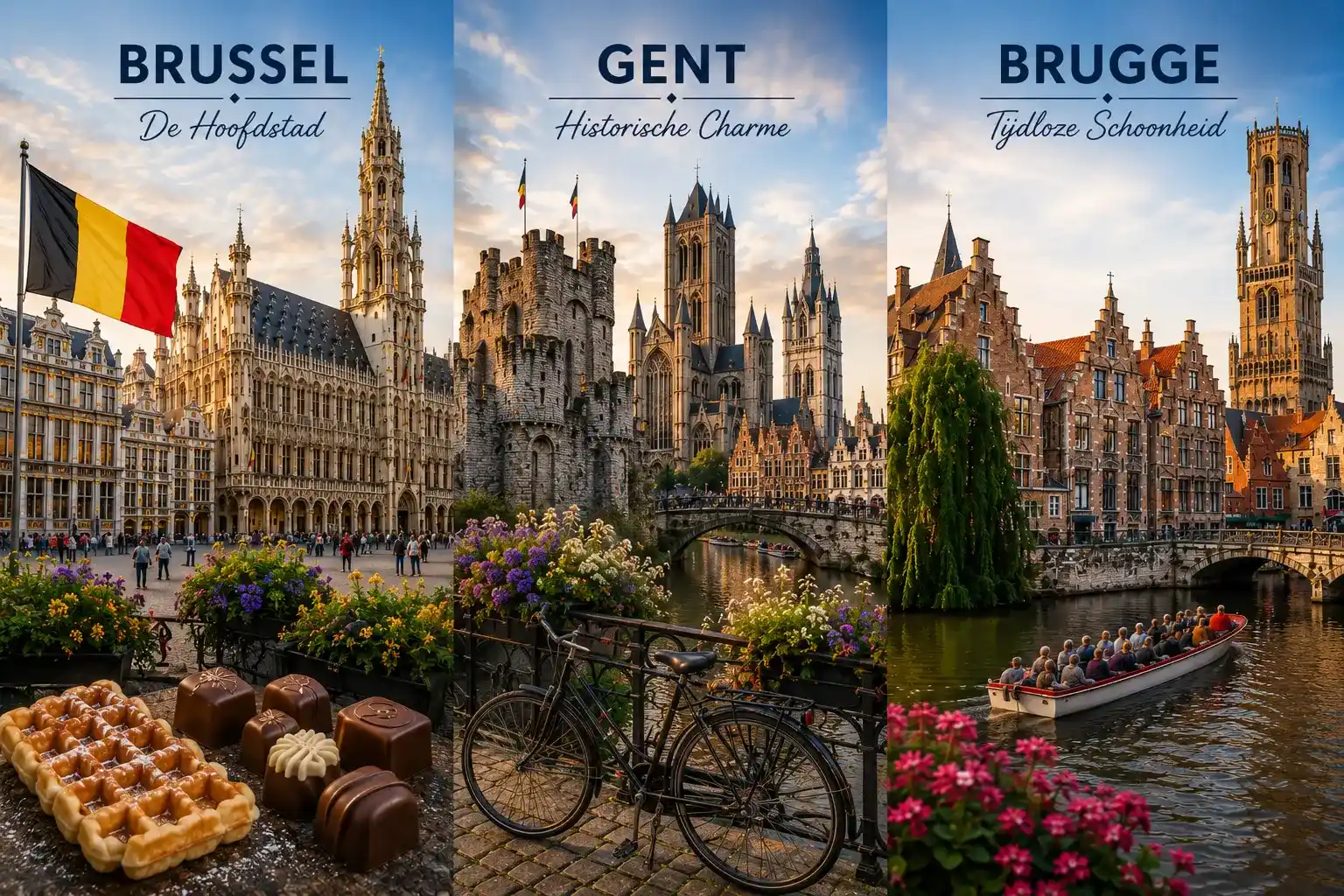
3 Days in Belgium: Brussels, Ghent and Bruges at Their Best Most 3 days in Belgium itineraries try to cram in four or five cities. It looks efficient on paper. In practice it means more time on platforms, dragging a suitcase over cobbles and squinting at departure boards than actually being anywhere. You come home with a full camera roll and not one city you can really remember. This one does the opposite. Three cities, one full day each. Day 1 is Brussels, where the trip starts anyway once you land. Day 2 is Ghent, close enough to reach without effort but different enough to reset the whole mood. Day 3 is Bruges, saved for last, because an early start there shows you a version of the city most day-trippers never see. The point isn't to tick off as much as possible. It's to spend less of the trip in transit and more of it actually in Brussels, Ghent and Bruges. The Route at a Glance Here's how the three days fit together before we go through them one by one. Day City Overnight Highlights 1 Brussels Brussels Arrival, Grand Place, Sablon, comic trail 2 Ghent Brussels or Ghent Gravensteen, the Mystic Lamb, Graslei & Korenlei 3 Bruges Bruges (recommended) Belfry, canals, Rozenhoedkaai, early morning before the crowds The order matters. Ghent comes second because it's half an hour from Brussels and makes an easy day. Bruges is last on purpose: stay the night, walk out at eight the next morning before the coaches arrive from Zeebrugge, and it's a completely different place. Day 1: Brussels (and Getting There) Most people land at Brussels Airport, about 20 minutes from the centre by direct train. [...]
Bruges or Ghent: Which One Should You Actually Visit?

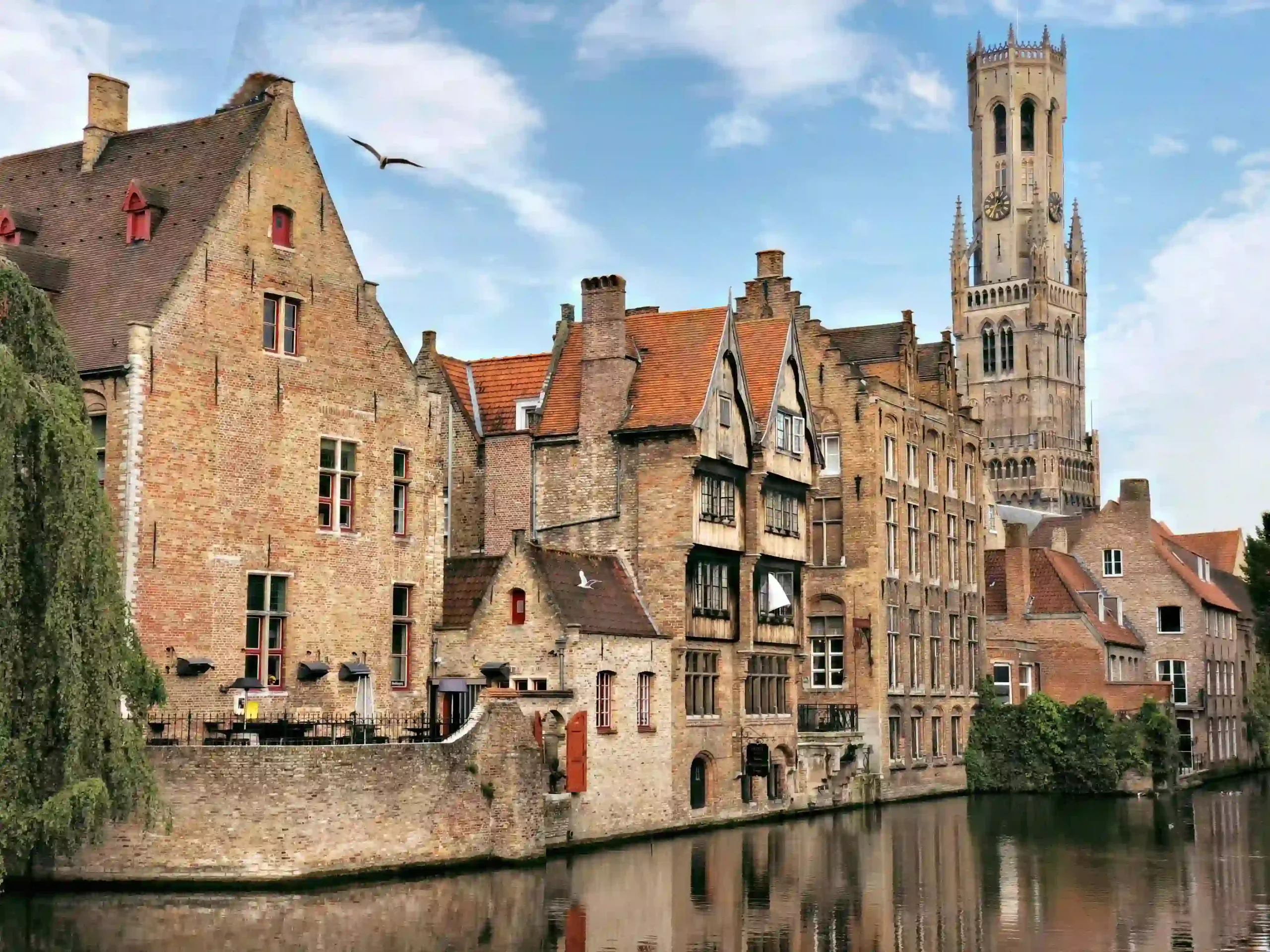
Bruges or Ghent: Which City Fits Your Trip Best? Bruges or Ghent. Thirty minutes apart by train, both with canals, both medieval, both able to fill a day without trying. Which is exactly why the choice is so annoying. I've spent time in both. I'll admit my bias up front: Ghent is the one I'd go back to first. That doesn't make it the right answer for you, and I'll explain why. The Short Answer Thirty seconds, if you don't want the full comparison. First time in Belgium? Bruges. If you've had a picture in your head of canals and medieval gables for years, that picture is Bruges. Go and see it. Crowds ruin your day? Ghent. It has the canals and the medieval centre, but it still works like a real city where people study, shop and go out, rather than one arranged around day-trippers. Got two days? Both, in this order: Ghent first, then Bruges. Bruges after Ghent feels like a finale. Ghent after Bruges can read as "another nice Belgian town", which it absolutely isn't, but comparisons are unfair like that. Bruges: the One You've Already Seen in Photos At ten past eight in the morning, Rozenhoedkaai had maybe six people on it. The water was flat. It looked like the postcard, which is a strange thing to see in real life. I came back at one o'clock. Three rows deep, umbrellas up on guide poles, everyone waiting their turn for the same photograph. Both of those are Bruges. Which one you get is entirely down to timing. The city's real advantage is how small it is. Inside the historic centre you can put the map away: the Belfry and its [...]

Visiting Flanders Fields: Ypres, the Menin Gate and the Places No Train Reaches

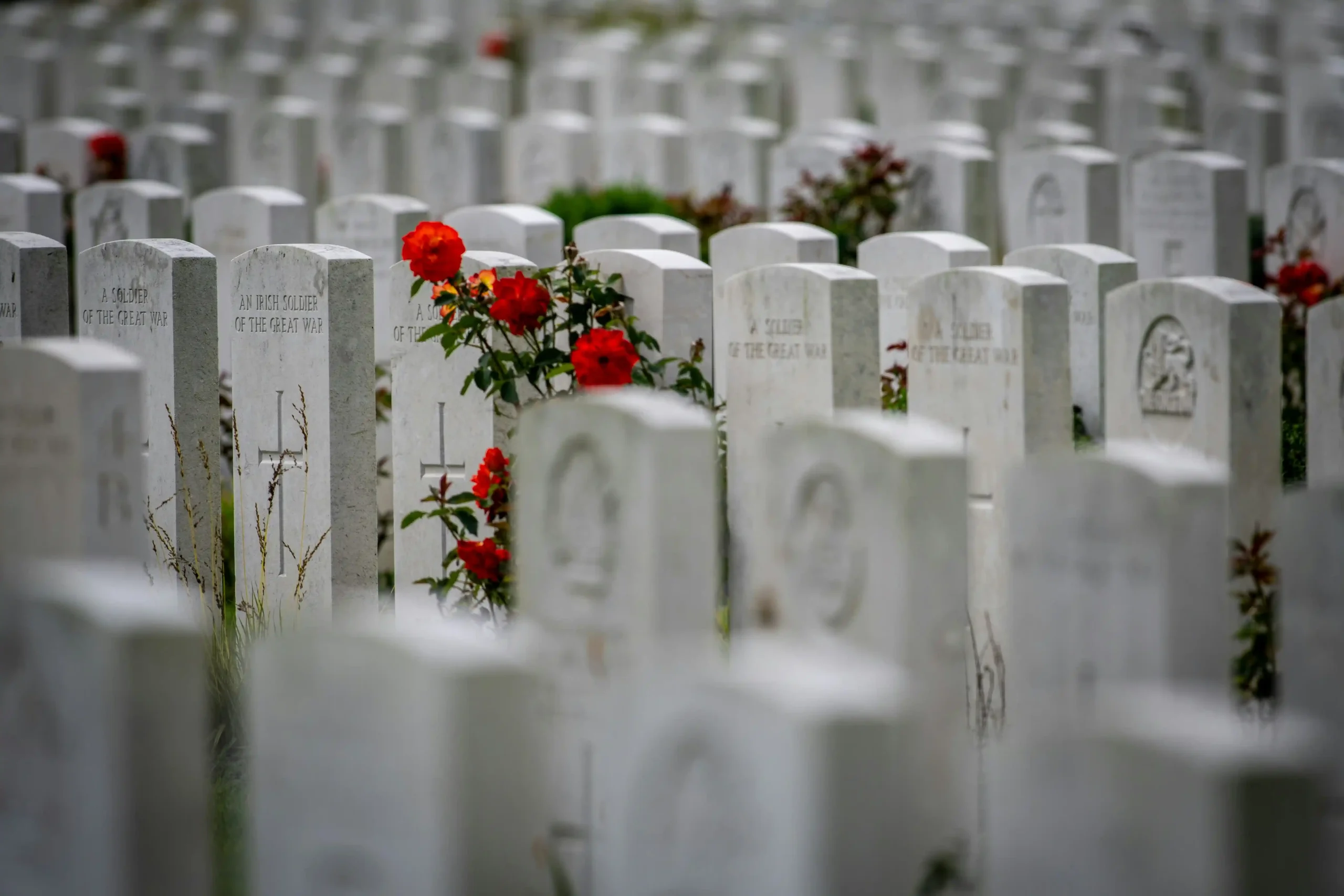
Visiting Flanders Fields: Ypres, the Menin Gate and the Places Beyond the Railway At 8:00 pm, every evening, buglers step under the Menin Gate in Flanders Fields and play the Last Post. They've done it almost every night for close to a hundred years. Some people come for the ceremony. A lot of them come for one name on the wall. Here's what most guides don't tell you: Ypres itself is only the starting point. The cemeteries people cross the world for are out in the fields, kilometres apart, and the train stops at the station. The ceremony ends around 8:30 pm. The buses, by then, have mostly given up for the day. So this guide covers the part that actually needs planning. What to see, how to get between places that were never designed to be visited together, and how to find one particular name. Getting to Ypres (Ieper) From Brussels the train takes about two hours, usually with a change at Kortrijk. Driving is faster, a good hour and a half, and from Bruges or the coast you're looking at about an hour. Quick naming note before you buy anything: Belgian departure boards say Ieper, not Ypres. Same city. Ypres is just the English and French spelling, and it confuses people at the station every single day. Coming from the UK? Most people route through Brussels first (our guide to travelling from London to Brussels covers that leg). If you're flying in for the Last Post or a Remembrance anniversary, though, be honest with yourself about the connections. Airport, train, change at Brussels, change again, luggage the whole way. That's the situation where a transfer straight from Brussels Airport earns its money: [...]

Landing at Brussels Airport: What Actually Happens From Gate to City

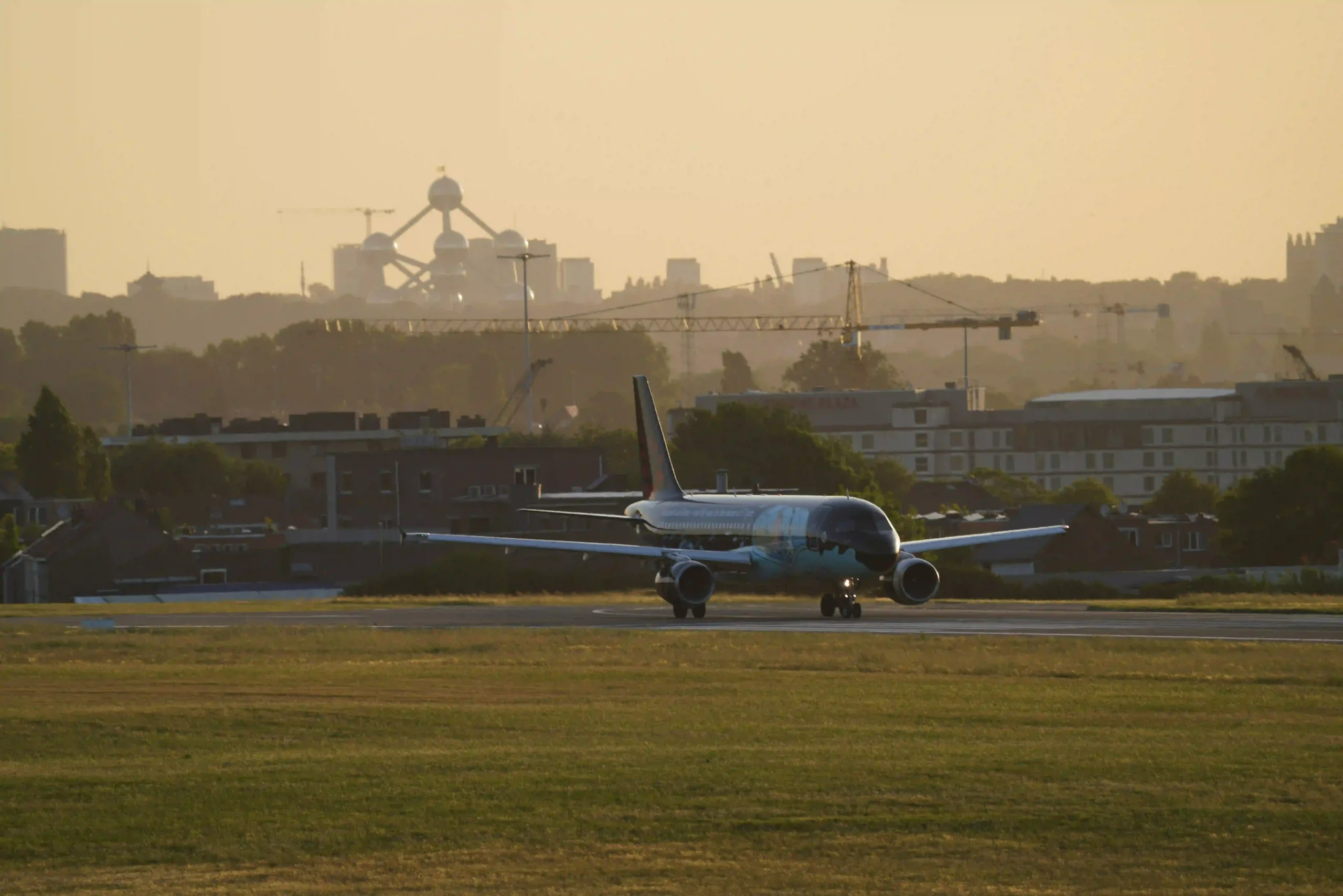
From Gate to City: What Really Happens at Brussels Airport The aircraft door opens, and your journey from Brussels Airport to city centre begins long before you see a train platform or step into a taxi. Most guides start once you've left the airport. The confusing part actually begins the moment the aircraft door opens. Before anything else, make sure you know which Brussels airport you're actually flying into, because Brussels Airport in Zaventem and Brussels South Charleroi are two very different places. If you're wondering how to get from Brussels Airport to city, this guide follows the exact route you'll take after landing, with realistic timings at every step. From the first walk through the terminal to passport control, baggage reclaim, the arrivals hall, and finally choosing your transport, you'll know what to expect before you even board your flight. I've made this walk more times than I can count. Knowing which floor to head to and when the last trains leave can save you from wandering around the arrivals hall with a suitcase. Let's go through it together, one step at a time. Did you know? Despite its name, Brussels Airport is not actually in the City of Brussels. It sits in the municipality of Zaventem, about 12 kilometres from the city centre, which is why many locals simply call it "Zaventem." Step 1. Gate to Passport Control (The Corridors Nobody Warns You About) The first surprise after landing is how much walking comes before anything else. Depending on where your aircraft parks at Pier A or Pier B, expect another 10 to 15 minutes of corridors before you even reach passport control. If you've been sitting on a plane for several [...]

Things to Do in Brussels: Why This City Grows on You

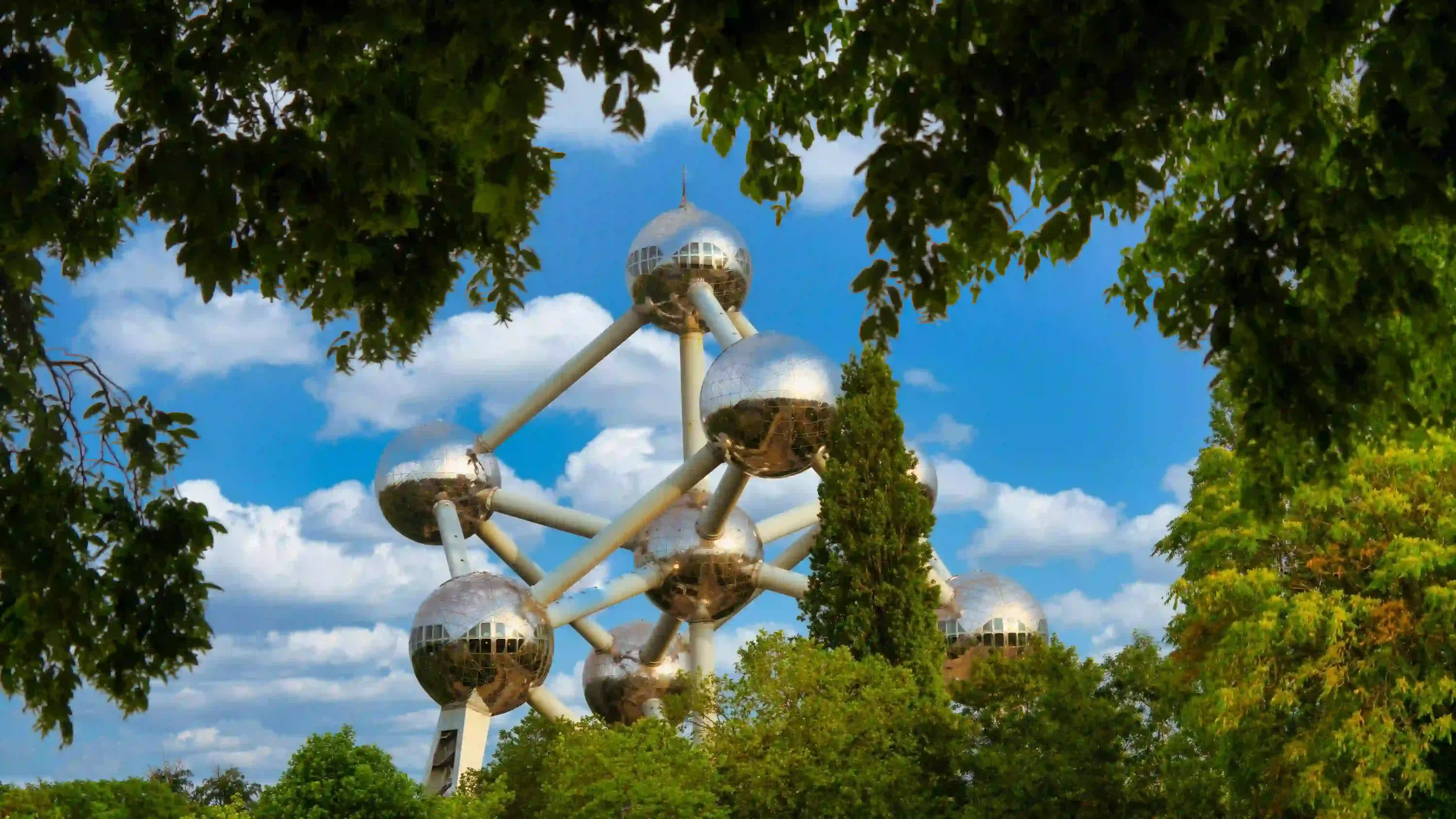
Things to Do in Brussels: Why Brussels Wins You Over Everyone told me Brussels was boring. A tiny statue of a peeing boy, a cluster of grey EU buildings, and more waffle stands than you can shake a stick at. For about three hours on my first visit, I agreed with them completely. Then I wandered into Wittamer to escape a light shower, bought one praline that cost far more than I expected, and somehow stayed there longer than planned. That was the moment Brussels started making sense. That is the thing nobody warns you about Brussels. It does not perform for you the way Paris or Amsterdam do. It sits back, a little rumpled, and waits to see if you are paying attention. Give it a day and the right approach, and it turns into one of the most rewarding city breaks in Europe. So here are the things to do in Brussels that actually make the case for it, plus a few honest warnings about the ones that do not. 📦 Good to Know: Getting Around Brussels Brussels is small and very walkable, and the metro and tram network (STIB) covers the rest. From Brussels Airport (Zaventem), a train reaches the city centre in about 20 minutes. If you land late, arrive with heavy bags, or travel as a group, a door-to-door transfer saves the hassle. For everything in the centre, though, your own two feet do most of the work. Getting to Brussels One thing Brussels gets absolutely right is how easy it is to reach. If you're coming from London, the Eurostar arrives at Brussels-Midi in around two hours, which makes the city one of the easiest European capitals to visit [...]

Luxembourg from Belgium: A Perfect Day Trip and How to Get There

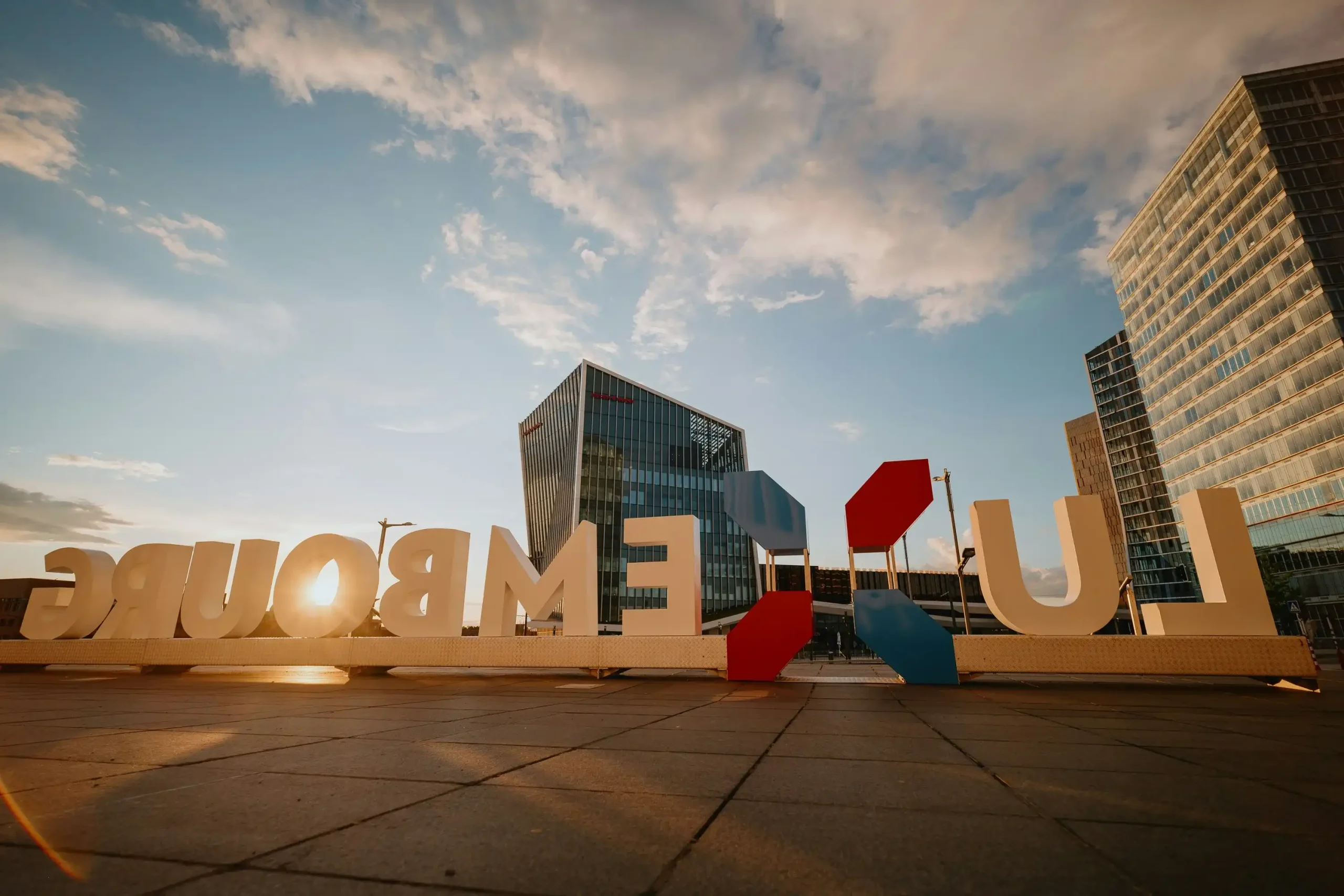
7 Things to Do in Luxembourg on a Day Trip from Belgium If you're searching for the best things to do in Luxembourg, you're probably asking yourself the same question I did: is it really worth going there for just one day? Every time I mentioned Luxembourg, the reaction was almost always the same: "Why there?" Luxembourg? Really? It's one of those countries everyone has heard of, but surprisingly few people actually visit. I went anyway, expecting a quiet capital where I'd tick off a few sights and head home early. Instead, I found a city built on cliffs, centuries-old fortifications, neighbourhoods that felt completely different from one another, and views that made me stop far more often than I'd planned. The best part? Luxembourg City is compact enough that you can experience its highlights in a single day. Think of this guide as a menu, not a checklist. One thing surprised me before I even arrived. Getting around Luxembourg itself couldn't be easier because public transport is free. Getting there from Belgium, however, takes a bit more planning. That's the part I'll help you with too. Good to Know: Transport in Luxembourg Is Free Since 1 March 2020, all public transport in Luxembourg, including buses, trams and second-class trains, has been free for everyone, residents and tourists alike. You don't need to buy a ticket to travel within the country. The Mobiliteit.lu app is the easiest way to check routes and timetables. There is one important exception. Free transport only applies inside Luxembourg. Your journey from Belgium to Luxembourg is not free, and choosing the right way to get there can make a big difference. We'll look at all the options next. Getting [...]

7 Things to Do in Bruges on a Day Trip

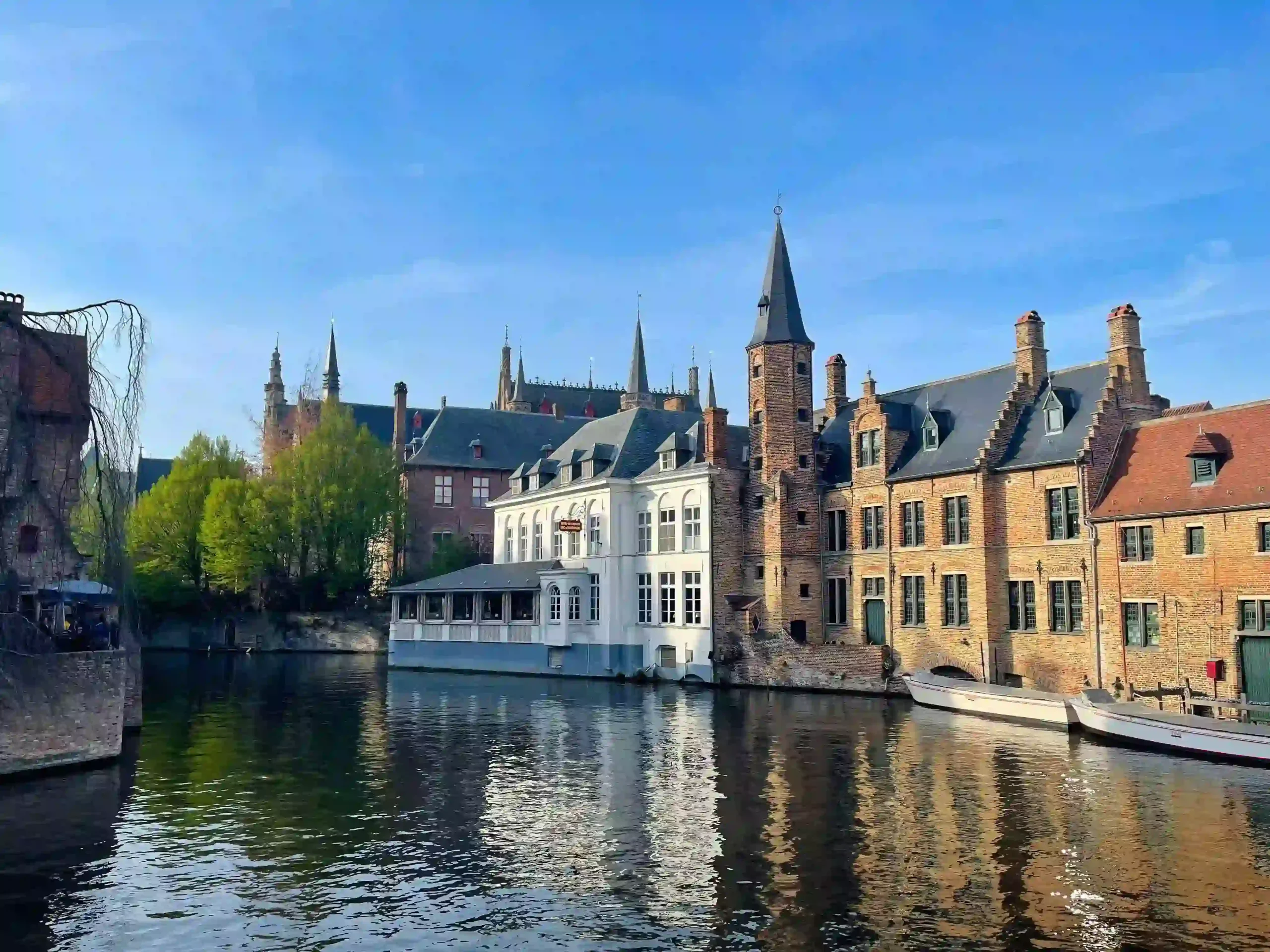
Top 7 Things to Do on a Day Trip to Bruges If you're searching for the best things to do in Bruges, you're probably picturing the same postcard scenes everyone falls in love with. Medieval towers reflected in quiet canals, cobbled lanes, white swans drifting across the water. Bruges really is one of the most beautiful cities in Belgium. It also happens to be one of the busiest. That's both its greatest charm and its biggest challenge. The good news is that you don't need three days to enjoy it. One day is enough to experience the highlights, as long as you don't try to see everything. Think of this guide as a menu rather than a checklist. Pick the places that match your interests, leave room for a slow walk beside the canals, and don't feel guilty about skipping a museum or two. The biggest secret to Bruges isn't another hidden street. It's timing. Visit the most famous spots early in the morning or later in the afternoon, and you'll see a completely different city. The crowds thin out, the light becomes softer, and suddenly those postcard views feel like they're yours for a moment. Everything is wonderfully compact, too. The historic centre is easy to explore on foot, and Bruges is only about an hour from Brussels, making it one of the easiest and most rewarding day trips in Belgium. Getting to Bruges One of the best things about Bruges is how easy it is to reach. Direct InterCity trains run frequently from Brussels (about 1 hour), while Ghent is just 25-30 minutes away and Antwerp around 1.5 hours. Trains arrive at Bruges (Brugge) station, a 20-minute walk or a short bus ride [...]

Getting to Belgium by Ferry: Routes, the Truth, and How to Travel On

Belgium by Ferry: Real Routes and How to Continue Your Journey If you're searching for a ferry to Belgium, there's one important thing to know before you start planning. There is no longer a direct passenger ferry from the UK to Belgium. The popular Hull to Zeebrugge route closed in 2021, so today's journeys take a different path. The good news is that getting to Belgium by sea is still straightforward, and in many cases, the alternatives are just as convenient. Most travellers now reach Belgium by sailing to northern France or the Netherlands, then driving or taking a train across the border. Depending on where you're leaving from in the UK and which Belgian city is your destination, one route may save you both time and money. This guide covers the real ferry options available in 2026, including sailing times, typical prices, and the best routes for Bruges, Ghent, Antwerp, Brussels, and the Belgian coast. You'll also find practical advice for drivers, foot passengers, and cruise visitors, plus the easiest ways to continue your journey once you arrive on the continent. Is There a Direct Ferry to Belgium? No, there is currently no direct passenger or car ferry from the UK to Belgium. It is one of the most common points of confusion, because several routes did exist in the past. P&O's Hull to Zeebrugge service closed on 1 January 2021, ending the last direct UK to Belgium ferry option. Ramsgate to Ostend disappeared earlier after TransEuropa Ferries went bankrupt in 2013. Older routes such as Dover to Ostend and Rosyth to Zeebrugge are also part of ferry history now. Today, the practical choices are indirect routes through France or the Netherlands. Zeebrugge [...]

7 Things to Do in Ghent on a Day Trip

One Day in Ghent: 7 Places You Shouldn't MissIf you're searching for the best things to do in Ghent, you're about to discover what might be Belgium's most underrated city. While Bruges attracts most of the crowds, Ghent quietly gets on with being a real, lived-in place. It has the canals, medieval towers and postcard views people travel across the world to see, but it also has students rushing to class, locals cycling to work and cafés that still feel like they belong to the city rather than to tourism.I arrived expecting a smaller version of Bruges. Instead, I found a city with its own personality. One moment I was listening to church bells echo across the rooftops, the next I was eating a cuberdon by the canal while watching boats glide past centuries-old guild houses.Now, let's be honest. You won't see everything in a single day. Ghent has far more to offer than seven attractions. Think of this guide as a menu rather than a checklist. Pick what sounds most like you and leave room for a slow coffee, a canal view and a few unexpected discoveries. The good news is that everything is surprisingly compact, easy to explore on foot and only around 30 minutes from Brussels.Getting to GhentOne of the best things about Ghent is how easy it is to reach. From Brussels, Belgian trains run frequently and take around 30 to 40 minutes to Gent-Sint-Pieters station. Coming from Antwerp? Expect roughly 50 minutes. From Bruges, it's usually just 25 to 30 minutes. Before rushing out of the station, take a moment to look around. The main hall is decorated with murals representing 13 Belgian cities, which is a surprisingly nice welcome [...]

The Best Theme and Family Parks in Belgium (and How to Reach Each One)

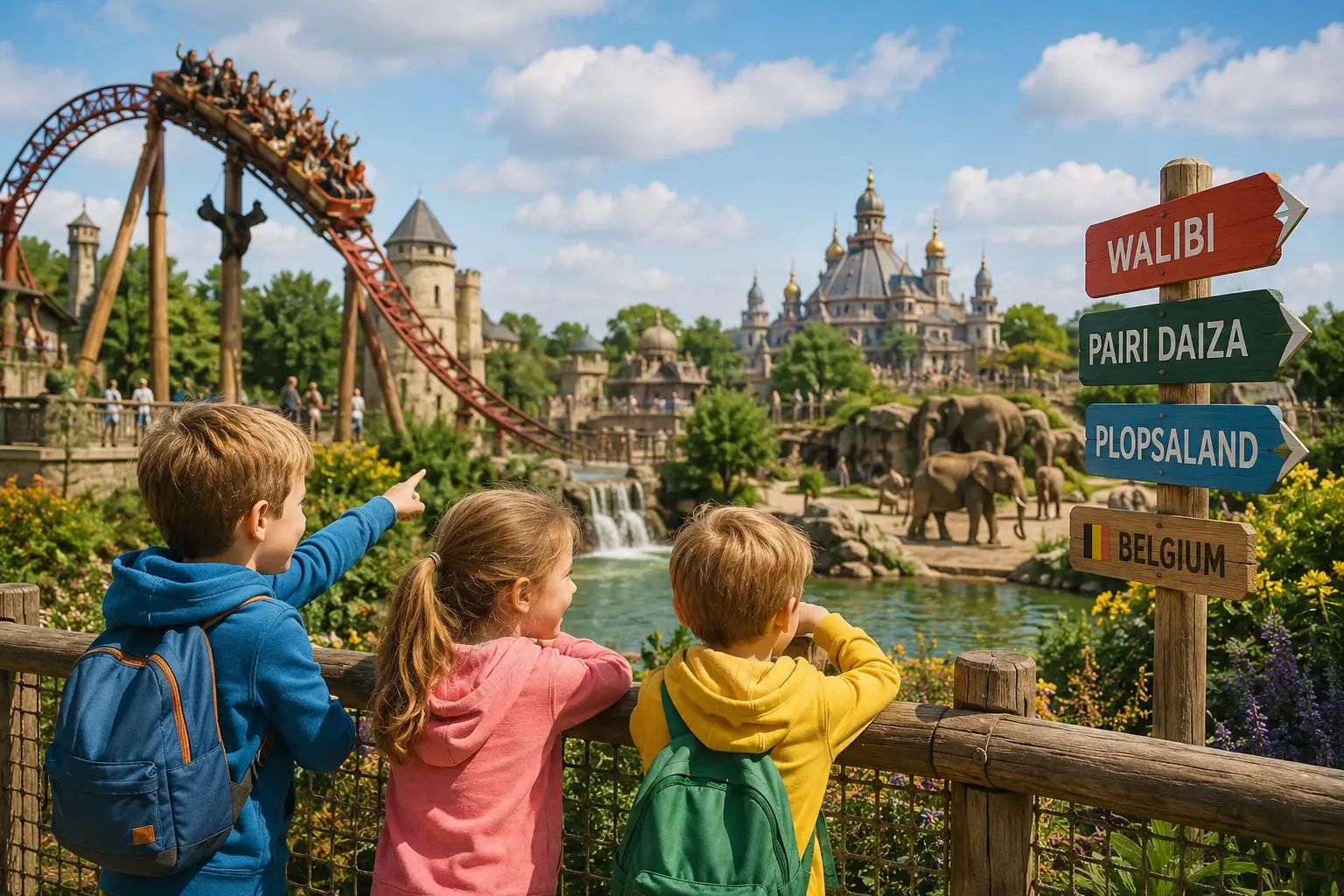
The Best Theme and Family Parks in Belgium (and How to Reach Each One) When people think about theme parks in Belgium, they are often surprised by how much choice such a small country offers. From a zoo that has repeatedly been named among the best in Europe to a seaside park built for young children and a roller-coaster destination packed with adrenaline, Belgium has family attractions that rival those of much larger countries. There is one catch, though. Most of these parks are not located in major city centres. They sit in coastal towns, forested regions, or rural areas where getting there can take more planning than the visit itself. For families travelling with children, strollers, luggage, or simply limited patience for train changes, the journey often becomes the most stressful part of the day. This guide highlights the best parks in Belgium for different types of visitors, whether you're travelling with toddlers, teenagers, or animal lovers. Just as importantly, it explains the easiest way to reach each one, so you can spend less time figuring out connections and more time enjoying the experience. How Getting Around Shapes Your Park Day One thing many visitors discover only after booking tickets is that Belgium's best parks are rarely in the middle of a city. Most are located in coastal towns, rural areas, or forested regions where public transport often means multiple connections and extra walking. Pairi Daiza is a good example. Reaching it from Brussels Airport by train can take around two hours with changes along the way, while the same journey is roughly one hour by car. You have a few options. Renting a car gives you flexibility, although rental costs and parking [...]

Go to Top