
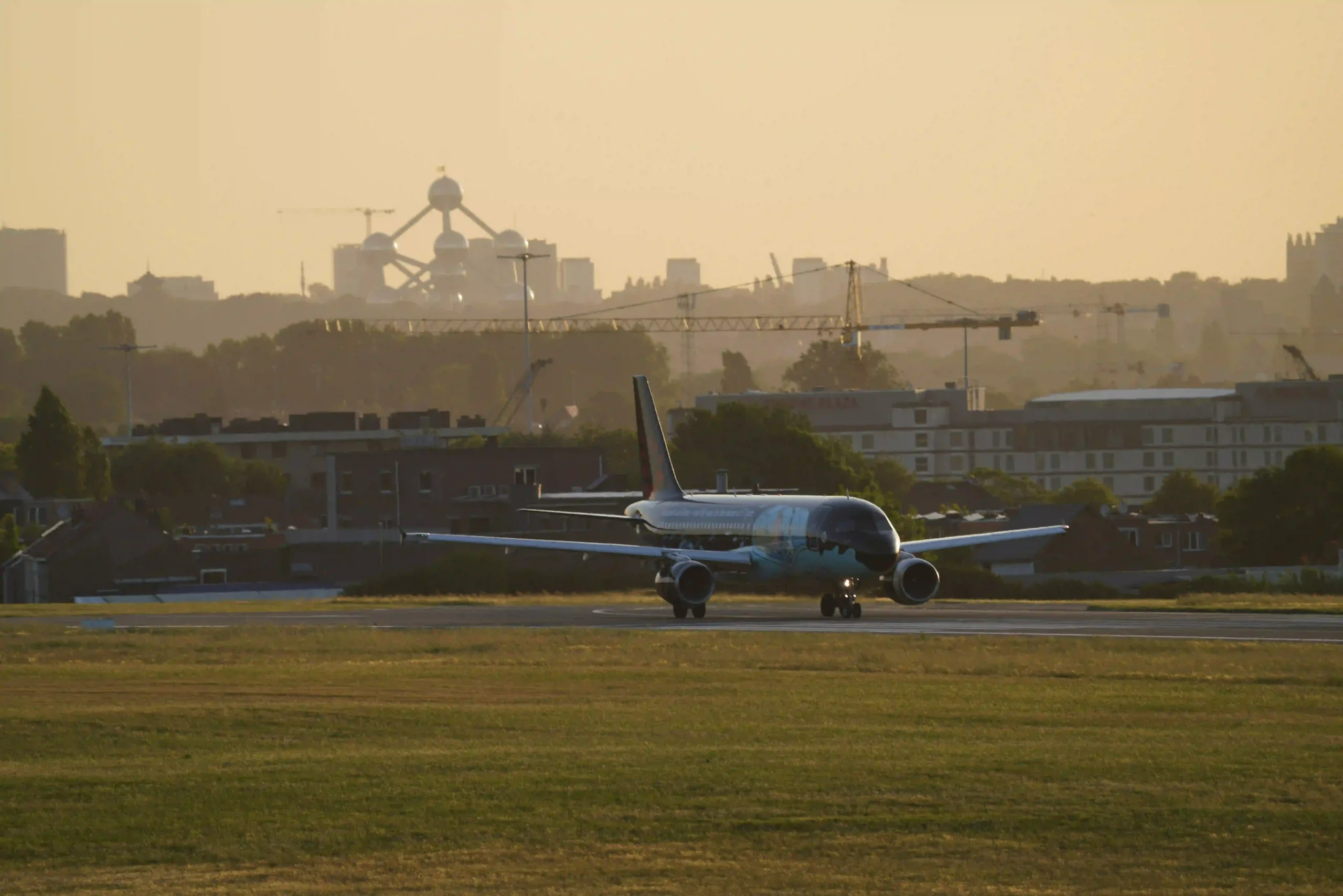
From Gate to City: What Really Happens at Brussels Airport
The aircraft door opens, and your journey from Brussels Airport to city centre begins long before you see a train platform or step into a taxi. Most guides start once you’ve left the airport. The confusing part actually begins the moment the aircraft door opens. Before anything else, make sure you know which Brussels airport you’re actually flying into, because Brussels Airport in Zaventem and Brussels South Charleroi are two very different places.
If you’re wondering how to get from Brussels Airport to city, this guide follows the exact route you’ll take after landing, with realistic timings at every step. From the first walk through the terminal to passport control, baggage reclaim, the arrivals hall, and finally choosing your transport, you’ll know what to expect before you even board your flight.
I’ve made this walk more times than I can count. Knowing which floor to head to and when the last trains leave can save you from wandering around the arrivals hall with a suitcase. Let’s go through it together, one step at a time.
Did you know?
Despite its name, Brussels Airport is not actually in the City of Brussels. It sits in the municipality of Zaventem, about 12 kilometres from the city centre, which is why many locals simply call it “Zaventem.”

Step 1. Gate to Passport Control (The Corridors Nobody Warns You About)
The first surprise after landing is how much walking comes before anything else. Depending on where your aircraft parks at Pier A or Pier B, expect another 10 to 15 minutes of corridors before you even reach passport control. If you’ve been sitting on a plane for several hours, it can feel even longer.
If you’re arriving from another Schengen country, you can forget this entire step. There is no passport control. You simply follow the signs to baggage reclaim, which is one of the biggest advantages of travelling within the Schengen Area.
Passengers arriving from outside Schengen will go through border control before collecting their luggage. On a quiet day, the process often takes around 10 minutes. During peak summer arrival waves, the queue can exceed an hour, and serious disruption may push it longer.
Follow the signs to the e-gates if your passport is eligible; Brussels Airport currently lists biometric EU passports and Belgian eID cards. Non-EU visitors travelling for a short stay are now registered in the Entry/Exit System (EES). On a first entry, border officers may collect a facial image and fingerprints, so allow extra time if you have not yet completed an EES registration.
Step 2. Baggage and the Green Lane
Once you’re through passport control, or straight from the gate if you arrived from another Schengen country, you’ll enter the baggage reclaim hall. Large screens above the belts show which carousel your flight has been assigned to, and you can also check updates on the airport’s live arrivals page if you’re waiting for luggage or meeting someone.
After collecting your bags, you’ll pass through customs. Most travellers simply follow the green lane, which is for passengers with nothing to declare. The red lane is only for goods that must be declared under customs rules.
This is often the moment when your arrival in Belgium starts to feel real. As you walk towards the arrivals hall, the smell of freshly baked waffles and Belgian chocolate drifts from the nearby cafés and shops. After a long flight, it’s difficult to ignore.
Step 3. Where to Go From the Arrivals Hall
Once you leave customs, you’ll step into the arrivals hall. This is where everyone slows down for a moment. Some people are looking for the train, others are scanning the crowd for a driver holding their name. From here, the terminal is easy to navigate, and the official arrival guide is useful if you’d like to see the terminal layout before you travel.
Your next step depends on how you plan to travel:
- Train: Take the escalator or lift down to Level -1, where Brussels Airport’s railway station sits directly beneath the terminal.
- Bus: Head to Level 0 for the public bus stops, including STIB and De Lijn services.
- Taxi or pre-booked driver: Walk straight out of the arrivals hall. The official taxi rank is outside the terminal, while pre-booked drivers usually wait inside the arrivals hall with a name sign.
Now that you’ve reached the terminal’s main hub, it’s simply a matter of choosing the option that best fits your journey. The next sections look at each one in more detail.
The Train: 17 Minutes to Brussels (with a Catch)
If you’re travelling alone or carrying light luggage, the Brussels Airport train is usually the quickest and most affordable way to reach the city. The train from Brussels Airport to Brussels Central takes around 17 to 20 minutes. Late-evening departures vary by date, so check the SNCB journey planner for your arrival day rather than relying on a fixed last-train time. There is one extra charge that catches many visitors off guard.
Did you know?
The €6.90 Brussels Airport Supplement, previously known as the Diabolo fee, is included in most tickets to or from the airport. It is a fixed surcharge, regardless of how far you’re travelling, and many people only discover it when buying a ticket at the station. You can find the details on the official supplement page.
Even with the supplement, the train remains the best-value option for most solo travellers. Late in the evening, check the departure board before heading to Level -1, especially if passport control or baggage reclaim has taken longer than expected.
Buses, and Who They’re Actually For
Buses can be the cheapest option, but they’re not always the easiest. If you’re staying near the European Quarter, STIB line 12 offers a direct connection from the airport. For travel from the airport into Brussels, you need an Airport2City ticket rather than a standard single ticket. De Lijn buses are more useful if you’re heading to Leuven or towns around Brussels. You can check routes and timetables on the STIB journey planner and the De Lijn website.
They’re a good choice if you’re travelling light and already know where you’re going. With a large suitcase, an evening arrival, or a hotel that still requires another connection, you may spend more time changing buses than you save on the fare.
Taxi Rank vs Pre-Booked Transfer (The Honest Comparison)
If you’d rather avoid public transport, you have two straightforward options once you leave the arrivals hall. Both will get you into Brussels, but they’re designed for different situations.
- Brussels Airport taxi from the official rank: Official taxis wait outside the arrivals exit. You simply join the queue and take the next available car. The fare is metered, so you’ll know the final price only when you reach your destination. During busy periods or after several flights land together, you may also have to wait for a taxi.
- A pre-booked transfer from Brussels Airport: Your price is fixed before you travel, your driver tracks your flight for delays, and you’ll usually be met inside the arrivals hall with a name sign before walking directly to the vehicle.
Neither is always the better choice. If you’re travelling alone during the day with just a backpack, the train is usually quicker and costs less. If you’re arriving with children, several suitcases, landing late, or visiting Brussels for the first time, a pre-booked transfer is often the more practical choice.
If you’re comparing the cost of different transfer options before booking, you can also check the available fixed transfer prices.
Landing After 11 PM?
Late arrivals change the calculation. If your flight reaches the gate close to midnight, a 20-minute passport queue or a slow baggage carousel may be enough to make you miss the final useful train. Bus services thin out, and the taxi rank can fill quickly when several evening flights land together.
This is the moment when flight tracking matters. With your driver tracking the flight, a delay does not cancel the pickup or leave you watching the clock at baggage reclaim. The arrival time moves, and the driver adjusts with it. For a fuller plan, read our guide to arriving in Belgium late at night before you fly.
The Full Timeline
So how long does the full journey from the aircraft door to central Brussels actually take? The train ride itself is only around 18 minutes, but that number does not include the walk from the gate, passport control, baggage reclaim or waiting for the next departure.
The advantage is not a shorter border queue. It is that the car does not leave while you are still waiting for your bags.
Every arrival is different, so think of these as realistic averages rather than guarantees. A Schengen passenger travelling with hand luggage can be on a train in well under an hour, while a busy passport queue or a slow baggage carousel can add an hour before the journey into Brussels has even started. With a pre-booked transfer, the road time still depends on traffic, but you do not need to worry about missing a departure while waiting for your suitcase.
Did you know?
Brussels Airport describes itself as the largest chocolate outlet in the world, selling more than 800 tonnes of chocolate each year. If you forget to buy Belgian souvenirs during your trip, the Belgian Chocolate House still gives you one last chance before you fly home.
Right, You’re in Brussels. Now What?
By this point, the airport is behind you. Whether you’ve arrived by train, taxi or transfer, you’re only minutes away from the Grand Place, the city’s cafés and museums, and the neighbourhoods that give Brussels its character.
If you’re wondering where to start, follow a practical first-day route from the airport, which takes you from Brussels-Central to the city’s main sights without unnecessary detours. It’s an easy way to make the most of your first few hours in the Belgian capital.
FAQ
How long does it take to get from Brussels Airport to the city centre?
The train journey to Brussels-Central takes around 17 to 20 minutes. From the aircraft door to the city centre, the total journey usually takes 40 to 50 minutes for Schengen passengers travelling with hand luggage, but it can stretch to two hours or more if you need to collect baggage and face a long passport queue.
What is the Diabolo fee?
The Brussels Airport Supplement, previously known as the Diabolo fee, is a €6.90 surcharge added to most train tickets to or from Brussels Airport. It is charged regardless of the distance you travel.
Do I need to go through passport control at Brussels Airport?
It depends on where your flight arrives from. Passengers arriving from the Schengen Area go straight to baggage reclaim, while those arriving from outside Schengen must pass through border control, where queues can exceed an hour during busy periods.
How do I get from Brussels Airport at night?
Late-evening train times vary by date, so check the SNCB planner for your arrival day. If you arrive later, your main options are the official taxi rank outside the terminal or a pre-booked transfer with flight tracking, so delays won’t affect your pickup.
Where do pre-booked drivers wait at Brussels Airport?
Most pre-booked drivers wait inside the arrivals hall, just after the customs exit, holding a name sign. Once you’ve met your driver, you’ll be escorted directly to the vehicle outside the terminal.
Ready Before You Land?
The easiest part of arriving is the moment when passport control and baggage reclaim are behind you, and all that’s left is walking straight to your driver instead of comparing transport options after a long flight.
If you’d rather have everything arranged before you leave home, you can book your transfer before you fly.