
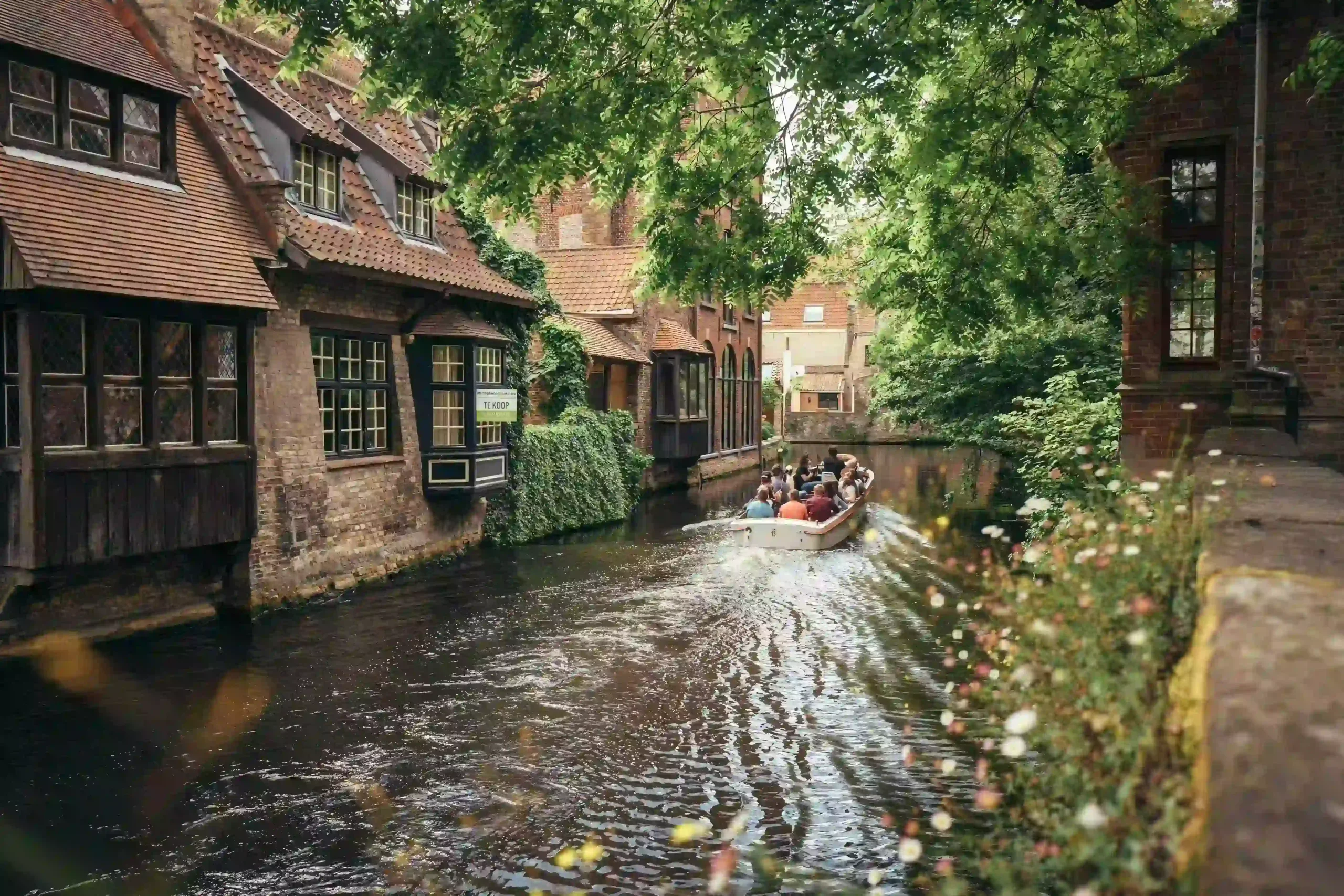
The Rise of Cooler City Breaks: Why Belgium Could Benefit from Europe’s Hotter Summers
European summers are changing, and so are the ways people choose to travel. As temperatures rise across many of Europe’s busiest destinations, more travellers are moving away from overcrowded summer itineraries and looking for trips that feel calmer and easier to manage. In that shift toward cooler city breaks, Belgium is quietly becoming one of the more practical summer options in Europe.
Is the Classic European Summer City Break Changing?
For years, the idea of a European summer city break followed almost the same formula: crowded landmarks, packed terraces, long queues and temperatures that made sightseeing feel more exhausting than exciting. Cities like Rome, Barcelona or Paris still attract millions of visitors every summer, but many travellers are starting to question whether the classic “must-see everything in two days” approach is really worth it anymore.
Rising temperatures have changed the experience as much as rising prices. Walking through busy city centres in extreme heat, carrying luggage across stations or spending hours in overcrowded tourist areas no longer feels like the relaxing escape many people imagine when booking a summer trip. Even short weekend breaks can quickly become stressful once delays, transport connections and peak-season crowds enter the picture.
As a result, travel habits are beginning to shift. More people are looking for destinations that feel easier to navigate, less chaotic and more comfortable during the warmer months. Walkable centres, cooler evenings, shorter travel distances and flexible itineraries are becoming more attractive than ticking famous landmarks off a list.
That shift is also changing the conversation around Belgium summer travel. Instead of treating Belgium as only a quick stop between larger European capitals, travellers are increasingly seeing it as a destination that fits a slower and more practical style of summer travel.
Why “Cooler City Breaks” Are Becoming More Attractive
The idea of a perfect summer escape is changing. For many travellers, the goal is no longer to squeeze as many landmarks as possible into a packed weekend. Instead, people are choosing trips that feel calmer, easier and less exhausting from the moment they arrive.
That is one of the reasons why cooler city breaks are becoming more popular across Europe. The trend is not only about avoiding extreme temperatures. It is also about shorter travel distances, more flexible routes and destinations where visitors spend less time dealing with crowds, queues and complicated logistics.
A slower breakfast, an evening walk along canals or the freedom to adjust plans without stress has started to matter more than rushing through a checklist of attractions. This is also why a summer city break in Belgium fits naturally into the trend. The country allows travellers to combine culture, food, smaller cities and coastal stops without turning the trip into a demanding itinerary.
In many ways, Belgium travel in summer appeals to people who still want a classic European atmosphere, but with a little more comfort and a little less chaos.
Why Belgium Fits This Summer Travel Trend
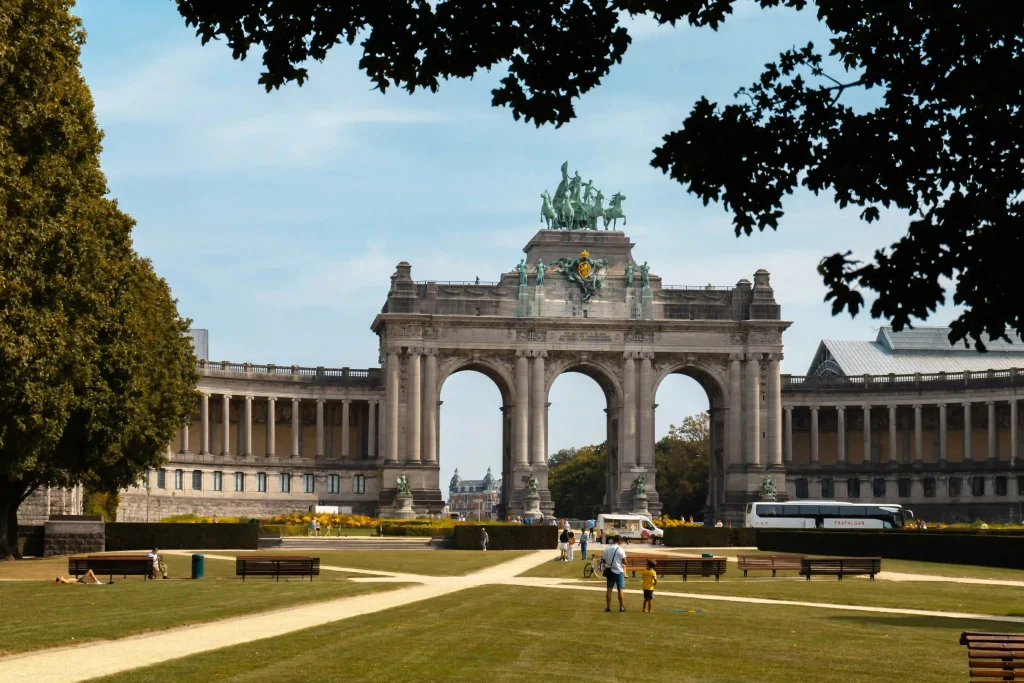
Belgium works particularly well for travellers who want a summer trip that feels flexible rather than overwhelming. The country is small enough to move around easily, yet varied enough to make every stop feel different. In a single week, visitors can combine historic cities, quieter neighbourhoods, coastal scenery and international connections without spending most of the trip in transit.
As European summers become hotter and more crowded, that kind of flexibility matters more than it used to. Travellers can move between Belgian cities without turning the trip into a long sequence of transfers and travel days. The pace simply feels lighter. That simplicity is part of Belgium’s appeal.
A Belgium city break also offers more variety than many people expect. Brussels brings the energy of a European capital, Ghent feels creative and relaxed, Bruges offers a more classic atmosphere, while Antwerp adds a stronger urban and design-focused side to the route. For travellers continuing further north, the Netherlands is also within easy reach.
Many visitors travel to Belgium in summer through Brussels Airport or Charleroi Airport, but their trip often continues beyond the arrival city. Instead of staying only in Brussels, travellers often build multi-stop routes that include smaller cities or the Belgian coast.
Belgium also works well because the route rarely feels complicated:
- shorter travel days between cities;
- easier combinations of coast, culture and food;
- flexible routes that do not require constant transfers;
- France and the Netherlands are both easily accessible nearby.
For travellers who want a European summer that feels more balanced and less exhausting, Belgium quietly fits the trend better than many larger destinations.
The Best Belgian Places for a Smarter Summer Route
One of Belgium’s biggest advantages in summer is how easily different destinations connect. Travellers can combine cities, coastal stops and quieter areas without constantly repacking or spending hours on the road. That makes the country particularly well-suited for a more relaxed and flexible summer route.
Brussels and Zaventem — The Practical Gateway
For most international visitors, the journey begins in Brussels or nearby Zaventem, which remains one of the easiest entry points for exploring the country. Zaventem is often the practical starting point for a Belgian summer route, especially for travellers landing at Brussels Airport before continuing to Ghent, Bruges or the coast. From Brussels Airport, several major Belgian cities can be reached without losing an entire day to travel.
In summer, that flexibility matters. Some travellers stay in Brussels for a night before moving on, while others continue directly toward smaller cities or seaside towns. Because arrivals are often delayed, busy or tiring during peak season, many visitors also plan their arrival logistics, especially when travelling with luggage or family. In that context, options like a Zaventem airport taxi or become part of making the first day smoother rather than more complicated.
Ghent — The Underrated Summer Base
Ghent works well for travellers who want a summer city break with atmosphere, culture and fewer obvious tourist clichés. The city feels lively without becoming overwhelming, especially compared to some of Europe’s more crowded summer destinations. Its canals, outdoor terraces and compact centre make it easy to explore at a slower pace, whether you stay for a weekend or use it as part of a longer Belgian route.
Another advantage is flexibility. Ghent sits comfortably between Brussels, Bruges and the coast, which makes it a practical base for travellers who do not want to change hotels too often during the trip. The city also appeals to visitors looking for a more local and less polished version of Belgium, particularly in summer when the evenings stay active but rarely feel chaotic.
For visitors arriving with luggage or children, planning a taxi from Brussels Airport to Ghent in advance can make the first day easier. Some travellers heading directly from the airport also prefer arranging an airport transfer to Ghent instead of navigating several transport connections after arrival.
Bruges — The Classic, If You Plan It Well
Bruges remains one of Belgium’s most beautiful city break destinations, but in summer it rewards travellers who plan around the busiest hours. Early mornings and evenings tend to feel completely different from the crowded midday streets, allowing visitors to enjoy the canals, smaller cafés and quieter corners of the historic centre without rushing through them.
Despite its popularity, a Bruges city break can still feel calm if the trip is approached more slowly. Many travellers now combine Bruges with Ghent or the Belgian coast instead of treating it as a packed one-day stop. That approach usually creates a much more enjoyable summer experience, especially during peak travel weeks.
Because Bruges is not directly next to the main airports, arrival planning also becomes more important in summer. A pre-arranged airport transfer to Bruges can be useful when you arrive late or want to avoid several changes with bags. For some travellers, especially families or weekend visitors, organising a taxi from Brussels Airport to Bruges in advance simply makes the route feel easier from the beginning.
Antwerp — The Urban Link Toward the Netherlands
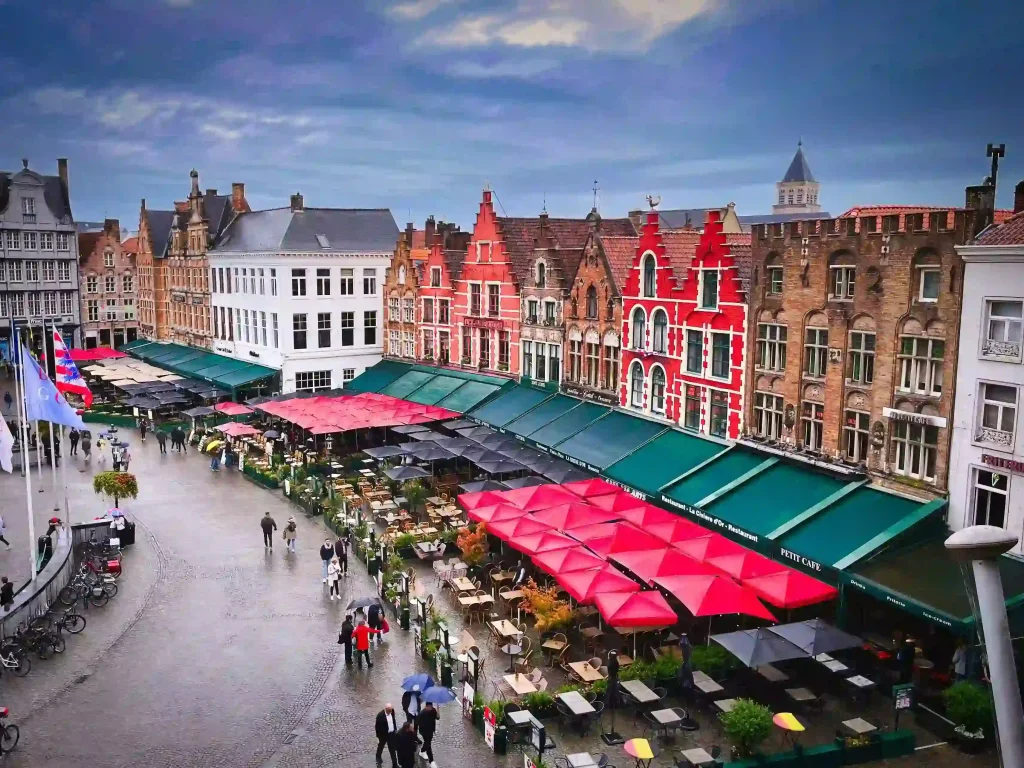
Antwerp is ideal for travellers who want a more urban Belgian stop, with easy onward links toward Rotterdam or Amsterdam. The city has a faster rhythm than Bruges or Ghent, but it still feels more manageable than many larger European capitals during the summer season. Riverside terraces, fashion boutiques and converted warehouse cafés give Antwerp a more contemporary summer atmosphere than many traditional Belgian destinations.
An Antwerp city break also works particularly well as part of a wider cross-border route. Many visitors move between Belgium and the Netherlands in the same trip, using Antwerp as a practical midpoint rather than simply a short stop between trains. The Brussels to Antwerp connection is relatively simple, which makes the city convenient for travellers arriving by air before continuing north.
For people building an Antwerp Netherlands route, flexibility often matters more than speed alone. Travellers landing in Brussels and heading directly north often compare train options with the airport transfer Antwerp, especially when timing or luggage matters.
Knokke — Belgium’s Coastal Summer Escape
Knokke brings a coastal dimension to Belgium’s summer appeal, especially for travellers who want sea air without committing to a long southern European route. Located along the Belgian coast, the town attracts visitors looking for a slower atmosphere, beach walks and short weekend escapes that still feel connected to the rest of the country.
Unlike larger Mediterranean destinations, Knokke summer travel tends to feel more compact and manageable. Travellers can combine time by the sea with visits to cities like Bruges or Ghent without turning the journey into a complicated multi-country itinerary. That balance is one of the reasons the Belgian coast has become more attractive during increasingly hot European summers.
Getting to the coast can also feel more complicated than travellers expect in summer. A late flight, extra luggage or family travel can quickly make multiple train changes less appealing after arrival. In those situations, an airport transfer to Knokke often feels like the simpler option, particularly during busy summer weekends. For some travellers, especially families heading directly to the coast, planning an airport transfer Knokke helps the trip start more smoothly.
When Planning the Arrival Matters More Than Usual
Summer travel often looks simple while you are booking it, but the first few hours after landing usually shape the entire experience. A delayed evening flight, high temperatures, tired children or several heavy bags can quickly turn a short airport journey into the most stressful part of the trip.
That is why arrival planning has started to matter more, especially for travellers whose route continues beyond Brussels. In many cases, a pre-booked airport taxi is less about luxury and more about avoiding unnecessary stress after landing. The difference becomes noticeable when the hotel is outside the city centre, check-in times are tight or the journey continues toward Ghent, Bruges, Antwerp or the Belgian coast.
Certain travel situations make organised transport feel particularly practical:
- late arrivals after public transport becomes less convenient;
- families travelling with children or strollers;
- several bags during peak summer heat;
- weekend coastal routes with limited flexibility;
- onward travel beyond Brussels immediately after landing.
For many visitors, a private airport transfer Belgium service simply removes several uncertain parts of the journey at once. Instead of navigating connections in unfamiliar stations after a long flight, many visitors prefer knowing the route is already organised.
With Airport Taxis, travellers can plan a door-to-door airport taxi, which is especially useful when the first stop is Ghent, Bruges, Antwerp or Knokke rather than central Brussels. For some visitors, a fixed-price airport transfer also makes budgeting easier during the busy summer season, when transport costs and delays can become less predictable.
A Smarter Way to Spend Summer in Belgium
Belgium may be small, but that is exactly why it works in a hotter, busier summer. Shorter routes, cooler city breaks, coastal escapes and better planning can turn a simple trip into a smoother summer itinerary.
A good Belgium summer route does not need to feel rushed. Travellers can land in Brussels, spend time in Ghent or Bruges, add a more urban stop in Antwerp or finish with a few days on the coast. The distances are manageable, plans can still change easily and the whole trip feels easier to adjust if the weather, crowds or travel plans change.
That is what makes Belgium a smart summer choice: it gives travellers variety without the pressure of a complicated journey. Not every summer route needs to feel exhausting. And when the arrival is planned properly, the rest of the trip often starts with much less stress.
Before your Belgian summer route begins, it is worth planning the first part carefully. A pre-booked Brussels Airport transfer or airport taxi Belgium service with Airport Taxis Belgium can help make the journey from the airport to your first stop feel simple, direct and easier to manage.