

Why Belgium Is More Impressive in Real Life Than on Instagram
Some destinations seem made for Instagram. One photo of a beach, a skyline, or a famous landmark is enough for people to understand why they should visit. Belgium is different. It’s not a country that can be summed up in a single image. That’s why the experience of being there often feels far richer than anything you see online.
A photo can show Grand Place in Brussels, a canal in Bruges, or the impressive station in Antwerp. But images rarely capture what makes Belgium so special in real life: the smell of coffee after a rain shower, the sound of a tram rolling through wet streets, the warm glow behind old windows in Ghent, or the atmosphere of centuries-old buildings that don’t need to be perfect to feel beautiful.
People who only see Belgium through social media often expect it to be smaller, quieter, or less impressive than it actually is. Yet that’s exactly where its charm lies. Brussels feels lively and unpredictable, Antwerp reveals itself through grand avenues and historic station halls, Ghent flows with its canals and bicycles, and Bruges becomes at its most beautiful when the crowds fade and evening slowly settles over the city.
Perhaps that’s why Belgium stays with people long after their trip ends. Not because of perfect photos, but because of the atmosphere, the small details, and the unexpected moments that happen along the way.
Brussels Needs a Second Look
Brussels is not a city that reveals itself instantly. At first glance, it can feel busy, chaotic, or even a little contradictory. French and Dutch blend together, historic façades stand beside modern buildings, and tourists share the streets with commuters rushing towards the metro. Yet that mix is exactly what makes Brussels so fascinating in real life.
During the day, Grand Place draws most of the attention, but the square feels completely different after sunset. The light softens, the stone façades take on a warm glow, and the city seems to slow down. In the Royal Galleries of Saint-Hubert, reflections shimmer across the glass roof after the rain, while small chocolate shops and cafés gradually fill with people. Not far away, Sablon feels elegant and relaxed, while Marolles has a more authentic character, with independent shops, weathered buildings, and streets that don’t try too hard to impress.
Brussels is often at its best in the small details rather than the major landmarks. In the sound of trams passing through old streets, in the reflections on wet pavements after a rain shower, or in a café where people end up staying longer than they planned. It may feel less polished than some European capitals, but that is also what makes it feel more genuine.
For travelers heading into the city straight after a flight, a Brussels Airport Transfer can make the transition much smoother: luggage dropped off, hotel door closed, and only then does the real Brussels begin to reveal itself.
Antwerp Feels Bigger Than You Expect
Antwerp surprises many visitors from the moment they arrive. In photos, it can seem like just another Belgian city with historic buildings and picturesque squares. In reality, however, the city feels larger, more spacious, and more confident. That impression starts at Antwerp Central Station, where soaring ceilings, grand stone architecture, natural light, and constant movement create a memorable first impression.
From there, the atmosphere shifts from one neighbourhood to the next. Around the Grote Markt, Antwerp feels historic and traditional, while the fashion district has a more contemporary and stylish character. Historic buildings stand alongside minimalist boutiques and design hotels without ever feeling out of place. Even along the River Scheldt, the city feels more open than many other Belgian destinations, with wide waterfront promenades, fresh river breezes, and modern architecture surrounding the MAS museum.
Perhaps that is what makes a travel experience in Antwerp so special. Antwerp does not try to be charming or picture-perfect. Instead, it has character, space, and a rhythm that grows stronger the more you explore. The city feels both historic and modern, relaxed and energetic at the same time.
For travelers heading straight into the city, an Antwerp Airport Transfer can make the start of the journey much smoother. After that, Antwerp is more than capable of making its own impression, from the station all the way to the banks of the Scheldt.
Ghent Is More Beautiful in Motion Than in Photos
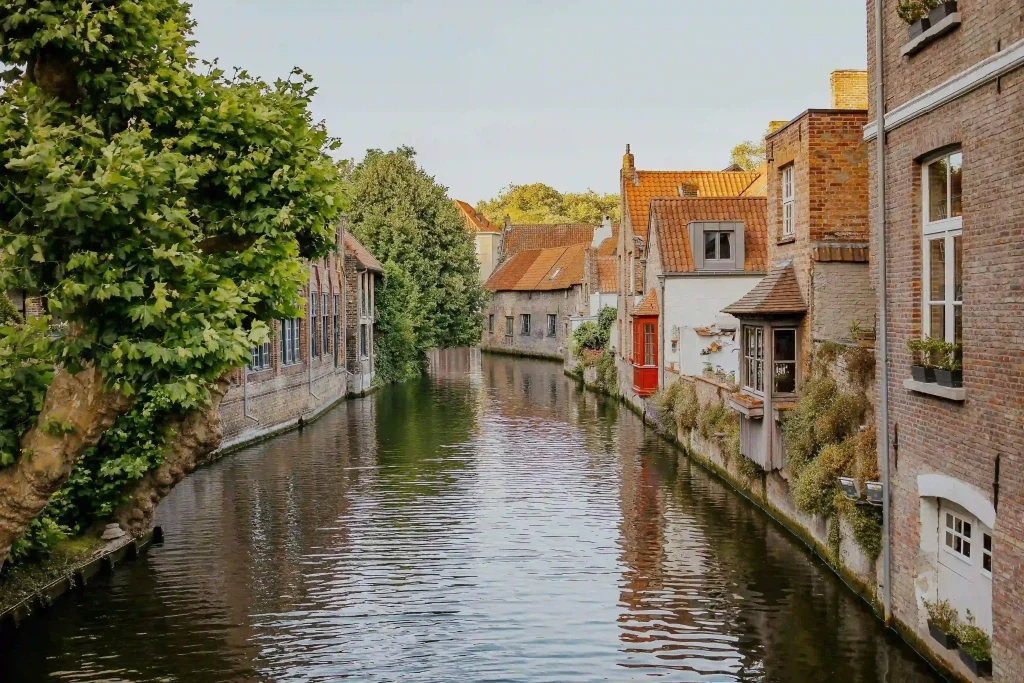
Ghent is difficult to capture in a single photograph. The city constantly changes with the light, the water, and the movement around it. That’s why photos of Ghent and Bruges often feel quieter than the real experience. Ghent isn’t just a city to look at — it’s a city to walk through.
During the day, the historic façades along Graslei and Korenlei reflect in the water while bicycles stream across bridges and along the quays. Around Gravensteen Castle, the city feels medieval and built from solid stone, yet only a few streets away the atmosphere shifts again, giving way to cafés, terraces, and small restaurants in the Patershol district. As evening approaches, Ghent takes on a softer character. Lights begin to glow along the canals, conversations drift from busy terraces, and the city slows down without ever becoming quiet.
A photo of the Graslei may be beautiful, but Ghent only truly comes alive when you experience it in person. Starting your visit with a Ghent Airport Transfer means less time spent worrying about the journey and more time to enjoy what makes the city special: light dancing on the water, voices carrying across the terraces, and bridges that somehow look even more beautiful after sunset.
Bruges Is More Than the Postcard Everyone Knows
Bruges is probably one of the most photographed cities in Belgium. As a result, many people feel as though they already know it before they arrive. Rozenhoedkaai, the Market Square, and the canals appear constantly on social media. Yet in reality, Bruges feels quieter, warmer, and far more human than those picture-perfect images suggest.
Early in the morning, footsteps echo more loudly on the cobbled streets than the voices of tourists. Small alleyways remain almost empty as shops slowly open and soft light falls across centuries-old façades. Around the Minnewater, the water barely moves, and the trees seem to make the city feel even calmer than it already is. By evening, the canals take on a different character once again. Hotel windows begin to glow, cafés gradually fill up, and the chocolate shops lose their sense of urgency as the daytime crowds disappear.
Bruges is at its best when you stop trying to see everything. That’s when the small details begin to stand out: rain on the cobblestones, narrow passages between historic buildings, or the quiet that settles over the city after sunset.
A Bruges Airport Transfer fits naturally into a trip where you don’t want to rush from one connection to the next. But more than anything, Bruges asks for something simple: keep looking after the day-trippers have gone home.
Mechelen Doesn’t Need to Stand Out to Be Beautiful
Mechelen rarely tries to compete with Belgium’s bigger cities for attention. Perhaps that’s exactly why it feels so calm and welcoming. Here, it’s less about making a big impression and more about appreciating the small moments: narrow streets that grow quieter as evening approaches, hidden courtyards tucked behind historic façades, and cafés where nobody seems to be in a hurry.
Around the Grote Markt and St. Rumbold’s Cathedral, Mechelen feels historic without becoming overwhelming or overly touristy. The city moves at a slower pace than Brussels or Antwerp, and that makes the details easier to notice. Bicycles rolling past, warm lights glowing behind windows, and footsteps echoing on wet cobblestones all contribute to the atmosphere that reflects the quiet beauty of Belgium.
In Mechelen, nothing needs to be extraordinary to feel memorable. Travelers choosing a Mechelen Airport Transfer are not simply arriving at a destination — they are stepping into a city that is comfortable being exactly what it is, without trying to be anything more.
Leuven Feels Young Without Trying
Leuven has an energy that feels different from many other Belgian cities. It isn’t loud or overly modern, but naturally vibrant. Students cycle through the streets throughout the day, cafés stay busy well into the evening, and there is always a sense of movement around the University Library without anyone seeming to be in a rush.
Around the Old Market Square and the Grote Markt, everything blends effortlessly: café terraces, conversations, warm light on historic buildings, and people with nowhere they urgently need to be. During the day, Leuven feels bright and open. By evening, the city takes on a warmer atmosphere as windows light up and cafés become livelier. It’s a place where everyday life remains visible rather than a city constantly trying to impress visitors.
A Leuven Airport Transfer makes getting to the city straightforward, but Leuven is at its most interesting when you see it as more than just another stop on an itinerary. It’s a place where daily life unfolds naturally, and that is part of its charm.
Rain, Railway Stations, and Life’s Little Imperfections
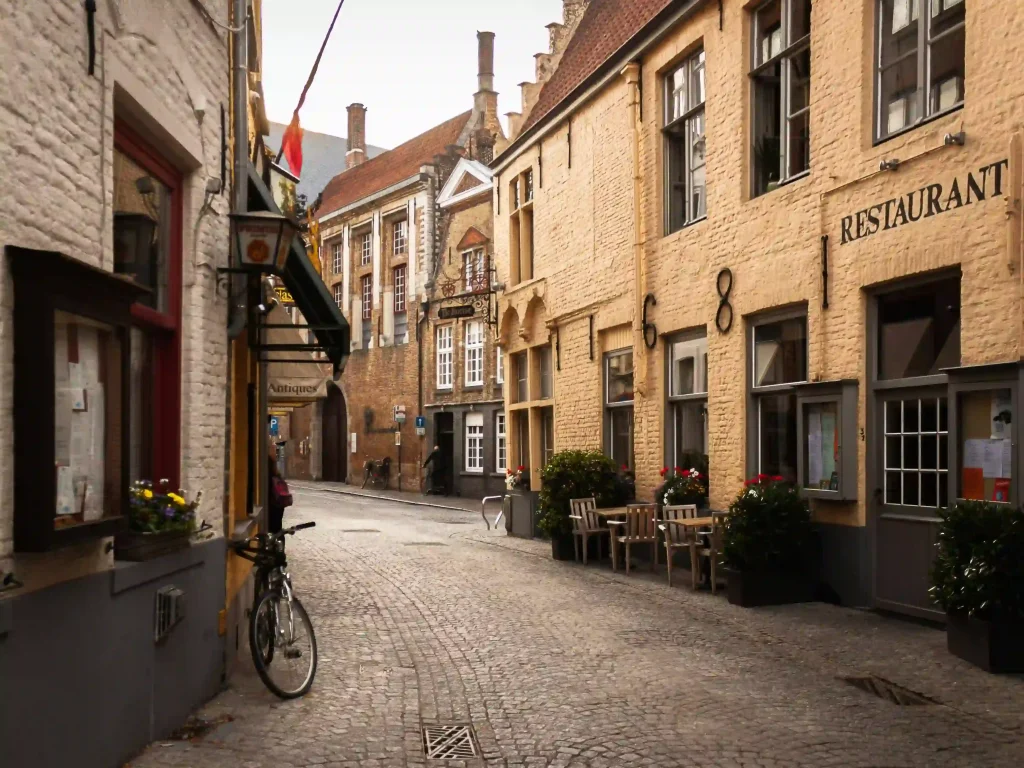
Belgium rarely tries to be perfect. Rain arrives without warning, cobbled streets stay wet long into the evening, and railway stations can feel busier and noisier than they do in photos. Yet those small imperfections are often what people remember most.
The sound of suitcases rolling over wet cobblestones, umbrellas opening at tram stops, or the smell of fresh fries mixed with coffee after a rain shower — these are the details that rarely appear on Instagram but make a place feel real. Behind misted tram windows, city lights drift by slowly, while a light fog settles over the canals of Ghent and Bruges in the early evening.
Perhaps it’s these small moments that make Belgium in real life feel so memorable:
- Rain reflecting on centuries-old cobblestones
- Warm lights glowing above quiet streets
- The smell of coffee and fries after a long train journey
- The sound of trams in the evening
- Mist hanging over the canals in Ghent and Bruges
- A railway station that is still awake while the city slowly settles down
Even the journey into the city becomes part of the experience. On a rainy evening, a Zaventem Airport Transfer feels less like a luxury and more like a gentle transition — from airport lights, luggage, and noise to a city slowly coming to life behind rain-streaked windows.
Perhaps that is exactly why Belgium beyond Instagram leaves such a lasting impression. The real memories come not from perfect photos, but from the atmosphere, the details, and the moments in between.
Why Real Places Stay With Us Longer Than Perfect Photos
Instagram captures composition, colours, and picture-perfect angles. Travel memories work differently. People rarely remember just a square, a canal, or a famous building. What stays with them are the moments in between: the first hour after arriving, the sounds of the city, rain on cobblestones, or a small café where they ended up staying longer than planned.
That’s exactly how Belgium works. Of course, travellers remember Grand Place, the canals of Bruges, or the historic waterfront in Ghent. But just as often, other memories return: an old railway station filled with echoes, reflections on rain-soaked streets, or a table by the window as the city slowly fades into evening.
Perhaps that is the true strength of the quiet beauty of Belgium. The country doesn’t constantly try to impress. Instead, it lives in the details, the atmosphere, and the rhythm of everyday life — the things that are difficult to capture in a photograph.
That’s why the travel experience in Belgium often feels even more powerful after the journey is over than it did in the moment the photo was taken.
Belgium Is Better Experienced Than Photographed
Belgium doesn’t need perfect pictures to prove its appeal. It’s a country that is better experienced than photographed — better in motion than in still images, better in the rain than through filters, and better in small moments than in perfectly framed shots. Perhaps that is what makes a travel experience in Belgium so different from what many people expect before they arrive.
Not everything here feels spectacular or designed for social media. Yet that is exactly why the memories tend to last longer. The sound of a tram in Brussels in real life, light reflecting on the water in Ghent, a quiet alley in Bruges, or a café in Leuven on a cold evening — these are the details that gradually gain meaning as the journey unfolds.
Belgium may never be the loudest destination in an Instagram feed. Yet it often stays in people’s minds much longer, not as a photograph, but as a feeling. And that is what makes Belgium beyond Instagram so memorable.
FAQ
Why Does Belgium Feel Different in Real Life Than It Does in Photos?
Photos usually focus on well-known landmarks, canals, and historic buildings. In reality, Belgium is much more about atmosphere — rain on cobblestones, small cafés, evening light, and the unique rhythm of its cities.
Which Belgian City Makes the Strongest First Impression?
That depends on the traveler, but many people find Antwerp surprisingly impressive on arrival. From the grandeur of Antwerp Central Station to the wide streets and the atmosphere along the River Scheldt, the city often exceeds expectations.
Is Brussels a Good Choice for a First Visit to Belgium?
Yes. Brussels may not be the most picture-perfect city at first glance, but that is part of its appeal. Its mix of historic architecture, diverse neighbourhoods, and everyday city life makes it more rewarding the longer you spend there.
What Makes Ghent and Bruges So Popular with Travelers?
Ghent and Bruges combine historic architecture with a unique atmosphere shaped by their canals and waterfronts. Both cities become especially beautiful in the evening, when the light softens and the daytime crowds begin to disappear.
When Does Belgium Feel Most Beautiful?
Many travelers find Belgium at its best on rainy evenings, quiet mornings, or during the calmer hours of the day. These are the moments when the light, sounds, and atmosphere stand out the most.
Is Belgium a Good Destination for a Relaxing City Break?
Absolutely. Belgium’s cities are relatively close to one another, yet each has its own distinct character. That makes it easy to explore multiple destinations while still enjoying a relaxed and varied travel experience.