
Table of Contents
Belgium Made Easy: A Guide to Cities, Travel Costs and Stress-Free Arrivals
For a country you can cross in a few hours by train, Belgium packs an impressive amount into a small space. Most people arrive expecting chocolate, waffles and a quick stop in Brussels. Many leave wishing they had stayed longer. The difference between a relaxed trip and a frustrating one often comes down to a handful of practical details that many travel guides barely mention.
This guide takes a different approach. At Airport-Taxis, we help travellers arrive, move around and explore Belgium every day, so we know which details matter most. Alongside the cities, food and famous sights, we focus on the things that often determine whether a trip feels easy or stressful. From choosing the right airport to understanding costs and the latest 2026 travel rules, we’ll help you get the basics right from the start.
Is Belgium Actually Worth It? (The Honest Answer)
Yes — but probably not for the reasons you expect.
Belgium sometimes gets dismissed as a country people pass through on the way to Paris or Amsterdam. It also suffers from a strange marketing problem: photos rarely capture what makes it enjoyable. If your ideal trip means a dramatic new landmark every hour, endless sunshine, or constant adrenaline, Belgium may feel surprisingly understated at first.
What Belgium does exceptionally well is atmosphere. It rewards slowing down rather than racing through a checklist. The difference between seeing Brussels and enjoying Brussels, for example, can be a matter of timing: the Grand-Place at midday is packed with tour groups, while a terrace a few streets away on a warm evening feels almost like a different city. The same is true across the country, from Bruges after the day-trippers leave to Ghent when students fill the cafés along the canals.
Belgium is less about headline attractions and more about texture: medieval streets, local bakeries, lively squares, excellent food, hundreds of beer styles, and cities that are genuinely pleasant to explore on foot. Add a compact rail network and short travel times, and even spontaneous day trips become easy.
So, is Belgium worth visiting? Absolutely — especially if you enjoy walkable cities, good food, relaxed travel, and discovering places beyond their postcard image. Just arrive with the right expectations. Belgium is not a checklist destination; it is a country that tends to win people over gradually, often by the second evening rather than the first. For a deeper look at why photos often undersell the country, read about the real-life version of Belgium.
Which Belgian City Is Right For You?
Belgium is small, but its cities have surprisingly different personalities. One of the country’s biggest strengths is how easy it is to experience several of them in a single trip. Within an hour or so, you can move from medieval canals to fashion districts, university towns or bustling international neighbourhoods.
Brussels
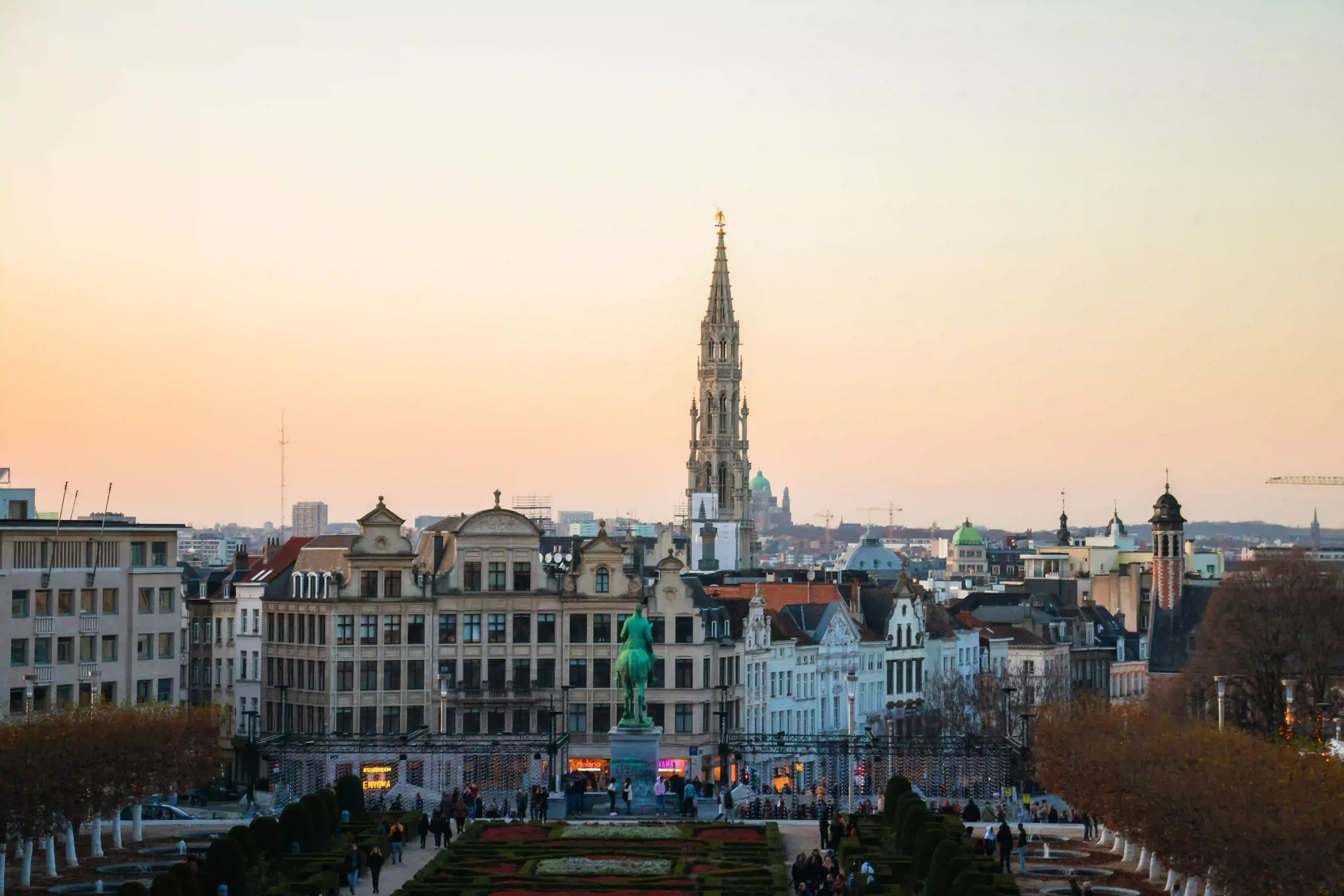
Brussels is the natural hub: international, layered and sometimes a little untidy in the most honest way. It combines grand squares, Art Nouveau architecture, EU institutions and neighbourhoods that feel lived-in rather than curated for tourists. Brussels is one of those cities that reveals itself gradually. Many visitors arrive expecting a quick capital-city checklist and leave wishing they had given it another day.
Bruges
Bruges is the postcard, and it has earned that reputation. The canals, cobbled streets and medieval buildings are every bit as beautiful as the photographs suggest. The challenge is timing. At midday, the historic centre can feel crowded; early in the morning and after sunset, it becomes quieter, more atmospheric and easier to appreciate. Attractions such as the Historium Bruges help bring the city’s medieval past to life beyond the postcard views.
Ghent
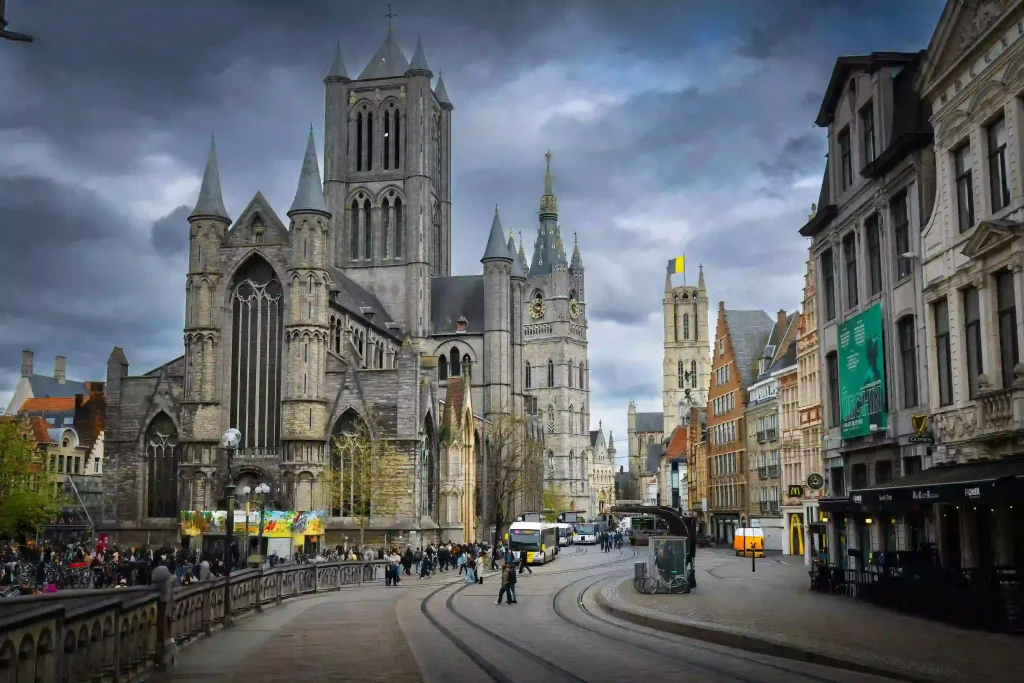
Ghent combines medieval beauty with a younger, more energetic character. Many experienced travellers end up preferring it to Bruges because it feels both historic and lived-in. The famous Ghent Altarpiece in St Bavo’s Cathedral remains one of Europe’s most influential artworks, while Gravensteen Castle offers a rare chance to explore a remarkably preserved medieval fortress in the middle of a modern city.
Antwerp
Antwerp is Belgium’s stylish side. Known for fashion, design, diamonds and contemporary architecture, it provides a refreshing contrast to the country’s medieval centres. The MAS Museum is worth visiting not only for its exhibitions but also for its panoramic views across the city from the rooftop.
Leuven And Mechelen
Leuven and Mechelen are often overlooked by first-time visitors, which is part of their appeal. Both are compact, easy to explore and packed with attractive squares, historic buildings and local cafés. They make excellent day trips or quieter alternatives to Belgium’s larger cities.
Belgium’s medieval heritage ties many of these places together. UNESCO-listed belfries, historic beguinages and remarkably preserved city centres are part of what gives the country its distinctive character. For a deeper look, see Medieval Belgium: A First-Timer’s Guide to Its Historic Cities. If you have extra time, The Most Romantic Road Trip Through Belgium or The Most Beautiful Small Towns in Belgium can reveal a side of the country many visitors never see.
The Best Time To Visit Belgium
Belgium is a year-round destination, but some seasons make travel noticeably easier than others.
Spring (March–May)
Spring is one of the best times to visit Belgium. Parks and gardens begin to bloom, café terraces reappear, and temperatures are comfortable for walking. Crowds are still manageable, especially outside major holiday periods.
Summer (June–August)
Summer brings the warmest weather, long evenings and a packed calendar of festivals. It is also the busiest season. Popular destinations such as Bruges can feel crowded by midday, and accommodation often needs to be booked well in advance. The atmosphere is lively, but you’ll be sharing it with plenty of other visitors.
Autumn (September–October)
September is arguably the sweet spot. The weather is often pleasant, summer crowds begin to thin out, and cities feel more relaxed. Early autumn is ideal for travellers who want the best balance between good weather and fewer tourists.
Winter (November–February)
Winter can be cosy, especially around Christmas markets and festive city squares. The trade-off is that days are short, skies are often grey, and darkness arrives surprisingly early. If you don’t mind a little gloom, Belgium’s cafés and historic centres become particularly atmospheric.
One thing remains true all year: Belgium has a well-earned reputation for delivering “four seasons in one day.” Wear layers, bring a light rain jacket, and don’t worry too much about packing an umbrella — the wind often has other plans.
For a broader look at why Belgium is becoming increasingly attractive as European summers grow hotter, see The rise of cooler city breaks: why Belgium benefits from warmer summers in Europe.
How Many Days Do You Actually Need?
The good news is that Belgium is small. The bad news is that many visitors underestimate how much there is to see and end up rushing through it.
As a general rule:
- 2–3 days: enough for the highlights, but expect a fast-paced trip. You’ll likely focus on Brussels and one additional city.
- 4–5 days: the sweet spot for most travellers. This gives you time for Brussels, a couple of other cities, and the flexibility to slow down occasionally.
- 7 days or more: ideal if you want to include smaller towns, take scenic detours, and experience Belgium at a more relaxed pace.
One common mistake is changing hotels every night. Belgium’s train network is simply too good for that. In most cases, two or three bases are more than enough, with day trips filling the gaps.
And what about visit Bruges: day trip or overnight? A day trip is perfectly possible, but it means sharing the city with everyone else who had the same idea. Staying overnight lets you experience Bruges early in the morning and late in the evening, when the crowds disappear and the canals become noticeably quieter. If your schedule allows it, an overnight stay is usually worth it.
If that slower approach appeals to you, read The Trip Where Nothing Is Rushed — Welcome to Soft Travel in Belgium. Short on time? See One Day in Brussels: Practical Route From the Airport.
Getting Around Belgium
Getting around Belgium is refreshingly simple. The basic formula is straightforward: trains between cities, walking and public transport within cities, and taxis or private transfers when convenience matters more than saving a few euros.
The country’s rail network is the backbone of most trips. Brussels, Ghent, Bruges and Antwerp are all connected by frequent services, with journey times typically ranging from 30 to 60 minutes. For schedules and tickets, check the Belgian Railways website before you travel.
One thing you generally don’t need for a city-focused trip is a rental car. Parking can be expensive, historic city centres are not designed for drivers, and Belgian traffic has a reputation for being… enthusiastic. Let someone else enjoy the roundabouts.
For most visitors, trains are the obvious choice. However, there are situations where public transport becomes less attractive: late-night arrivals, multiple suitcases, travelling with children, or staying far from the nearest station. In those cases, a taxi or pre-booked transfer can save both time and stress.
If you’re comparing your options, see Taxi, Uber, Shuttle, or Train: Which Airport Transfer Suits Your Trip? For a closer look at the differences between pre-booked services and local taxis, read The Smart Way to Travel in Belgium: Airport Transfers vs Taxis Explained.
Flying Into Belgium: Choosing The Right Airport
For most travellers, the first important decision happens before the trip even begins: which airport to fly into. Belgium is small, but not all airports are equally convenient.
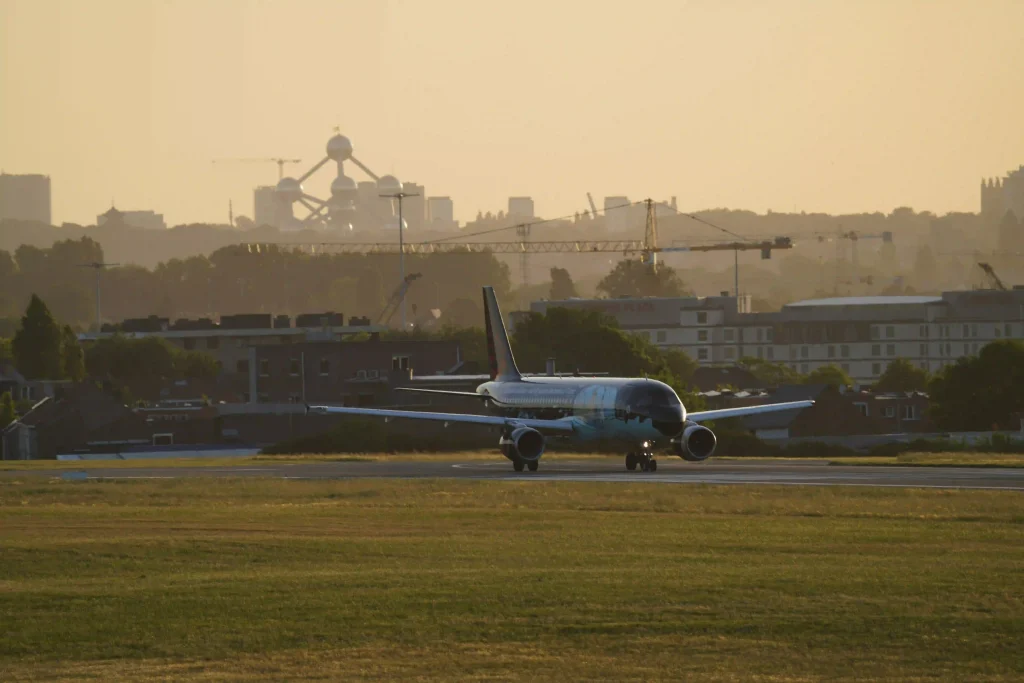
Brussels Airport is usually the most convenient option. Fast train connections and short transfer times mean you can often be in the city centre within half an hour of landing.
Charleroi is a different story. Cheap flights can look attractive, but on a short 3–5 day trip, the transfer may consume a significant part of your first day. Flibco buses to Brussels-Midi typically cost around €17–20 and take roughly an hour. Local taxis to Brussels can cost €90 or more.
A useful rule of thumb: the cheapest flight is not always the cheapest trip.
There is also a practical reason to plan your Brussels airport transfer before landing. The airport has a long-standing reputation among travellers for inconsistent taxi pricing, especially at night or during busy periods. Fixed-price transport booked in advance is often the more predictable option.
As of June 2026, the EU’s new Entry/Exit System (EES) is already in operation, meaning some non-EU travellers may have biometric data recorded at border control. ETIAS, however, has not yet launched. For the latest details, see Travelling to Belgium in 2026: EES, ETIAS and New Entry Rules for Visitors.
Your First Hours Matter More Than You Think
The first day of a trip is usually when travellers are most tired, most overloaded with luggage and most likely to turn a simple journey into a stressful one.
Public transport works extremely well when you arrive during the day, travel light and have a flexible schedule. But there are situations where convenience becomes more valuable than saving a few euros: late-night arrivals, multiple suitcases, travelling with children, short city breaks, or hotels located far from the nearest station.
A pre-booked airport transfer removes several small frictions at once. There is no need to buy tickets, find the correct platform, navigate unfamiliar stations or negotiate a fare after a long flight. You are met at the airport and taken directly to your destination. Many travellers choose to book their airport transfer via Airport-Taxis before departure, allowing them to start their trip calmly instead of figuring out transport after landing. If you’re still deciding between airports, see Brussels vs Charleroi, compared. Travelling after dark? Read arriving late at night.
What Does A Trip To Belgium Cost?
Belgium sits comfortably in the middle of the Western European price range. It isn’t a budget destination, but it doesn’t have to be expensive either. In practice, your daily costs depend far more on your choices than on the country itself.
A few rough benchmarks:
- Frites from a local frituur: €3–5
- Casual lunch or café meal: €10–20
- Restaurant dinner: €20–40+ per person
- Beer or soft drink: often cheaper a few streets away from the main tourist squares
Food is where many visitors overspend. A proper cone of frites from a neighbourhood frituur is often a better experience than the famous €1 waffle covered in whipped cream next to a major attraction. The same applies to drinks: moving just a couple of streets away from a city’s main square can noticeably reduce prices.
You also don’t need to pay for attractions all day long. Belgium’s historic centres, canals, neighbourhood walks and market squares are among its biggest highlights — and they’re free. Many travellers find that one paid attraction per day is enough, with the rest of the time spent simply exploring.
Cards are widely accepted across Belgium, especially in larger cities, but keeping a small amount of cash is still useful for independent cafés, local markets and smaller shops.
Transport costs depend on timing and comfort. Trains are usually good value between cities. For more details on how taxi pricing compares and why fixed prices matter, see Uber versus airport taxi: which option is more convenient in Belgium?
Common First-Timer Mistakes
Most trips to Belgium go smoothly. The mistakes visitors make are usually small, but they can make the experience less enjoyable than it needs to be.
- Assuming the whole country speaks the same language. Dutch dominates the north, French the south, and Brussels is bilingual. A quick “Bonjour” or “Hallo” before switching to English is always appreciated.
- Forgetting that Sunday is still Sunday. Many shops operate reduced hours or close entirely, especially outside major tourist areas.
- Overthinking tipping. Service is usually included. Rounding up the bill or leaving 5–10% for excellent service is enough.
- Falling for food traps. Skip the giant tourist waffles and look for a local frituur or neighbourhood bakery instead.
- Packing for one season. Layers and a light rain jacket are usually more useful than an umbrella.
- Renting a car for a city trip. Excellent trains, expensive parking and busy traffic make a car unnecessary for most visitors.
- Worrying too much about safety—or too little. Belgium is generally very safe. Just keep an eye on your belongings in crowded stations, trams and tourist hotspots.
Beyond The Classic City Break
Many people visit Belgium for Brussels, Bruges and Ghent, then discover that the country is just as interesting when you build a trip around a specific event, season or interest. In fact, some of the best visits happen when the calendar itself becomes the reason to travel.
Music lovers can time their trip around some of Europe’s biggest festivals. From Tomorrowland to Graspop and Pukkelpop, Belgium’s festival scene attracts visitors from around the world. For an overview, see The Best Belgian Festivals and How to Get There by Taxi.
If you’re visiting in July, Belgium’s National Day on 21 July brings military displays, celebrations and a lively atmosphere to Brussels. It’s one of the few moments when the country’s national identity is on full display. Learn more in Belgium During the National Holiday: What Can Tourists Expect on July 21?
Motorsport fans know Belgium for Spa-Francorchamps, widely regarded as one of the world’s greatest racing circuits. The Belgian Grand Prix transforms a normally quiet corner of the Ardennes into one of Europe’s busiest sporting destinations. See Spa-Francorchamps Travel Guide: How to Get There from Brussels for the Belgian Grand Prix.
Two Sample Itineraries
There is no single “correct” way to see Belgium, but these two routes work well for most first-time visitors. They keep travel times realistic, avoid constant hotel changes and leave room to actually enjoy the places you’re visiting.
Option 1: 3 Days
Use Brussels as your base.
- Day 1: Explore Brussels — Grand-Place, central neighbourhoods, museums, cafés and local food.
- Day 2: Take a day trip to Bruges or Ghent. Both are easy to reach by train and don’t require changing hotels.
- Day 3: Return to Brussels for anything you missed before heading home.
This itinerary is compact and efficient, though it moves quickly. If you’re flying in late on the first day, a direct airport transfer can make the following morning much easier.
Option 2: 5 Days
For a slightly slower trip, divide your stay between a few cities.
- Days 1–2: Brussels as your first base.
- Days 3–4: Ghent, with time to enjoy the city beyond the main sights.
- Day 5: Antwerp, or a day trip to Bruges or Mechelen before departure.
The key is not to overcomplicate things. Belgium’s rail network makes daily travel easy, so there is rarely a need for more than two or three accommodation bases. A relaxed evening in one city is usually more rewarding than spending another hour dragging a suitcase through a station.
If you’re travelling with children, grandparents or a larger group, logistics matter even more than sightseeing. See Travelling to Belgium with Family: Airport Taxi Tips for a Smooth Trip for practical advice on making the journey smoother from the moment you land.
FAQ
Do I Need A Visa Or ETIAS For Belgium In 2026?
It depends on your nationality. As of June 2026, ETIAS has not launched yet, so visa-free travellers such as visitors from the UK, US, Canada or Australia do not need to apply for it before travelling. The EU’s Entry/Exit System is already in use, so border checks may take slightly longer for some non-EU travellers.
Is Belgium Expensive?
Belgium is mid-range for Western Europe. It is not a bargain destination, but it is easy to control your budget with trains, casual meals, bakeries, free city walks and fewer paid attractions.
Is Belgium Safe For Tourists?
Yes, Belgium is generally safe for tourists. The main thing to watch for is pickpocketing in busy stations, trams, metro stops and crowded tourist areas.
How Many Days In Belgium Is Enough?
For most first-time visitors, 4–5 days is ideal. Two or three days can work for Brussels plus one day trip, while a week allows time for smaller towns and a slower pace.
Which Airport Should I Fly Into?
Brussels Airport (BRU/Zaventem) is the easiest choice for most travellers because it is close to the city and well connected by train. Charleroi Airport can be cheaper for flights, but the transfer to Brussels is longer and should be planned before you land.
Is Brussels Boring?
Not if you give it time. Brussels is less polished than Bruges and less immediately charming than Ghent, but its food, cafés, Art Nouveau streets, museums and neighbourhoods make it much more interesting than its reputation suggests.
Do I Need To Speak French Or Dutch?
No, English is widely spoken in tourist areas, hotels, restaurants and transport hubs. Still, it helps to know the basics: Dutch is spoken mainly in Flanders, French in Wallonia, and Brussels is officially bilingual.
Bruges: Day Trip Or Stay Overnight?
A day trip is possible, especially from Brussels or Ghent. But if your schedule allows it, staying overnight is better: Bruges is at its most beautiful early in the morning and in the evening, when the day-trippers have left.
How Do I Get From Charleroi Airport To Brussels?
You can take a shuttle bus to Brussels-Midi, use a bus-and-train combination via Charleroi-Sud, take a local taxi, or pre-book a private transfer. The cheapest option is usually public transport, but if you arrive late, travel with luggage or want a fixed price, a pre-booked transfer is often the calmer choice.
Final Thoughts
Belgium is one of the easiest countries in Europe to travel through. Distances are short, trains are excellent, and you can experience several very different cities without spending half your holiday in transit. Get two things right from the start — understand the latest 2026 entry requirements and plan your arrival properly — and the rest of the trip tends to fall into place.Book your airport transfer in advance and arrive in Belgium with one less thing to worry about. It’s one of the simplest ways to make your first hours in Belgium calm rather than chaotic, especially after a long flight, a late arrival or a journey with luggage.