
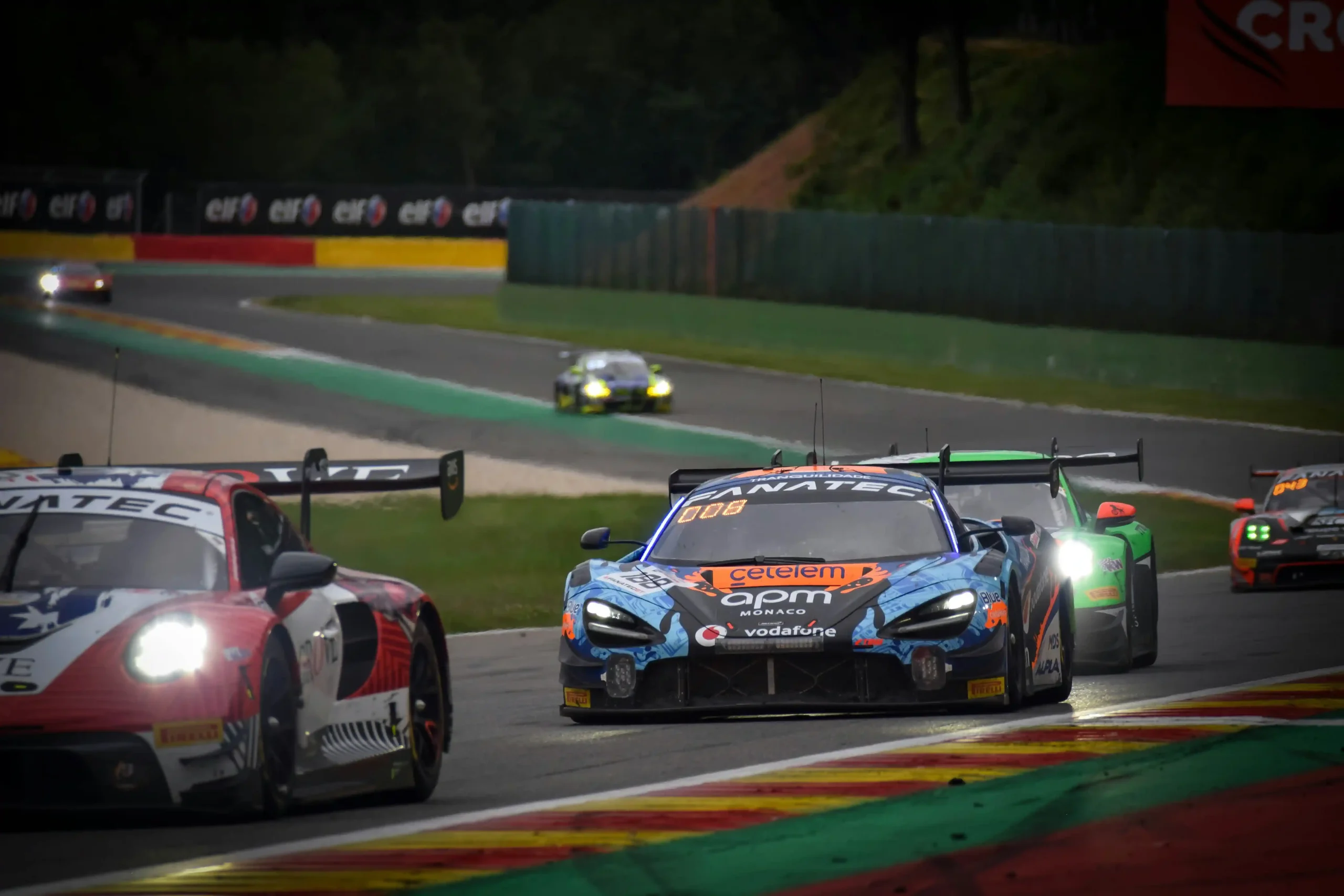
Planning Your Trip to Spa-Francorchamps from Brussels
For many Formula 1 fans, a trip to Spa-Francorchamps is about much more than watching a race. Set in the heart of the Ardennes, this legendary circuit is surrounded by forests, rolling hills, and winding roads that make the journey part of the experience itself. Because of its location, getting there requires a little more planning than travelling to a city-based venue.
The Belgian Grand Prix attracts fans from across Europe every year, and transport options can become busy throughout the event weekend. Whether you’re travelling from Brussels by train, shuttle, car, or private transfer, it’s worth organising your route well in advance to avoid unnecessary delays.
In this guide, you’ll find practical information on how to reach the track, the different transport options available, and a few useful tips to make your visit smoother. Before making plans, it’s also worth checking the official Spa Grand Prix 2026 page for the latest event updates and visitor information.
Why Spa-Francorchamps Is More Than Just a Race Track
There are racing venues you visit mainly for the event, and then there are places that feel like part of motorsport history the moment you arrive. Spa-Francorchamps belongs firmly in the second group. Hidden among the forests and hills of the Ardennes, it has a setting that feels completely different from a modern city circuit or a flat stadium-style track.
The elevation changes are a big part of its character. The road rises, falls, disappears between the trees, and then opens up again at corners every fan knows by name. Famous sections such as Eau Rouge and Raidillon are among the most photographed and discussed corners in motorsport. That natural shape is one reason Spa-Francorchamps is often seen as one of the most recognisable circuits in Formula 1.
But the Belgian Grand Prix is not only about the laps on Sunday. A full race weekend also includes the journey there, the walk from transport areas, time in fan zones, changing weather, food queues, and the slow build-up before cars even leave the pit lane. It is the kind of place where sunshine, wind, and rain can all appear in the same afternoon.
That is also why planning matters. The location is beautiful, but it is not always simple. Before choosing tickets, transport, or accommodation, it is useful to check the Formula 1 Belgian Grand Prix guide and think through how you will arrive, move around, and get back afterwards.
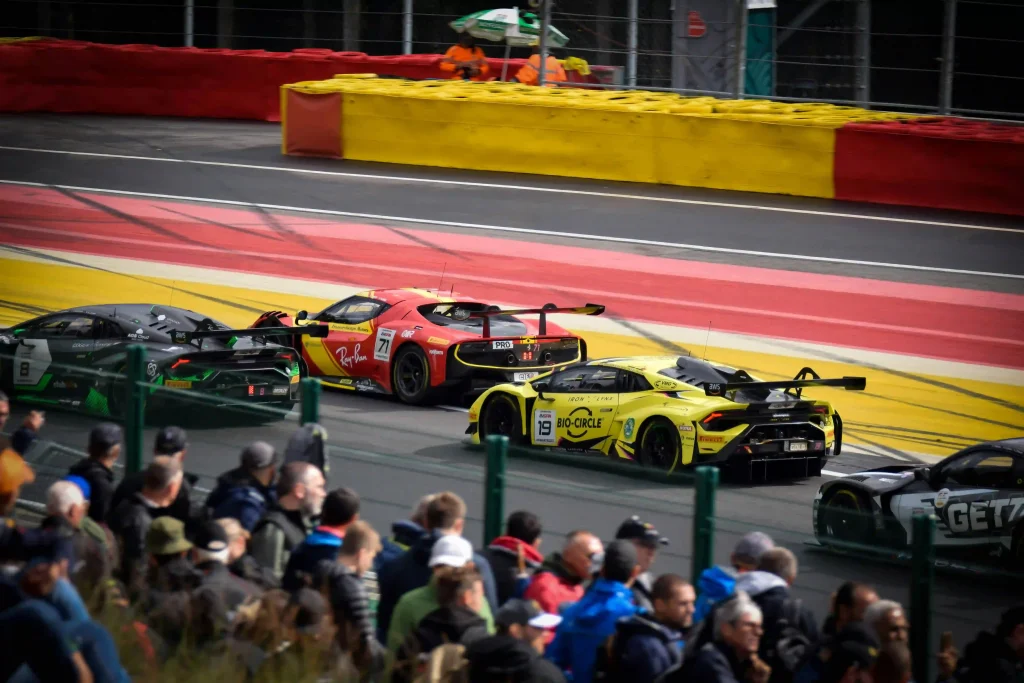
Where Is the Circuit and What Should You Expect on the Way?
The circuit is located in the Ardennes region of eastern Belgium, close to the towns of Spa, Stavelot, and Malmedy. While it may look relatively straightforward on a map, the route feels very different from travelling to a venue in a large city. As you get closer, motorways give way to smaller roads, forested landscapes, and rolling countryside that make the area so distinctive.
Unlike many Formula 1 venues, the track is not located next to a major city or transport hub. That unique setting is part of its appeal, but it also means visitors need to think more carefully about how they will get there and back.
For most visitors travelling from Brussels, the journey typically takes around 1.5 to 2 hours by car. Many fans also choose a private transfer from Brussels, especially when travelling in a group or looking for a direct route without changing between different forms of transport.
However, race days can significantly affect travel times. Heavy traffic, temporary road measures, parking zones, shuttle pickup points, and large crowds often create delays, particularly in the hours before and after the main event. A trip that seems simple on paper can easily take longer than expected once thousands of spectators are heading in the same direction.
For that reason, it is worth planning both parts of the journey. Arriving early helps reduce stress, but thinking about your return trip is just as important. Leaving the area after the event can take time, so it is always a good idea to have realistic expectations and allow extra flexibility in your schedule.
Best Ways to Get There for the Race Weekend
The best option depends on where you are staying, how much flexibility you need, and whether you are travelling alone or with a group.
Train and Shuttle
For many visitors, travelling by train is one of the simplest ways to reach the event without worrying about driving or parking. The most common route involves taking a train to Verviers-Central, one of the main railway stations serving the area during the Grand Prix weekend. From there, spectators can continue towards the track using a shuttle bus organised specifically for race attendees.
This option is often a good fit for solo travellers, couples, and fans travelling with only a backpack or small bag. It removes the need to navigate busy roads and can be a comfortable choice if you’re staying in a city with convenient rail connections.
Before setting off, it’s worth checking the SNCB Event Train Ticket to Verviers-Central page for the latest transport information.
The main downside is that the journey depends on connections and schedules. After the final sessions of the day, queues can be long, and getting back to the station may take longer than expected. Still, for many fans, it remains a practical way to reach the venue.
Official City Shuttle
The official City Shuttle service can be a convenient option if one of the departure points matches your travel plans. Shuttle routes are typically organised from several major cities, allowing visitors to travel directly to the event area without arranging multiple connections on their own.
Details on pickup locations and schedules are usually released ahead of the event through the official City Shuttle options page.
This solution works particularly well for visitors who want a straightforward journey and do not plan to make additional stops along the way. However, it is worth remembering that shuttle services operate on fixed schedules and from specific boarding locations. If your accommodation is elsewhere, reaching the departure point can add extra travel time.
Visitors combining the Grand Prix with a broader trip around Belgium may sometimes prefer alternatives such as a private transfer from Antwerp, especially when flexibility is more important than following a set timetable.
Private Transfer
If you’d rather avoid train changes, shuttle queues, and the uncertainty of race-day traffic, a private transfer can be a more relaxed option. It is often used by travellers arriving at the airport, families with children, groups of friends, or visitors carrying larger luggage for a longer stay.
One advantage is the door-to-door pickup service, which removes the need to change between trains, buses, and shuttle connections. Instead of coordinating several parts of the journey, travellers can arrange a departure time in advance and travel directly to their destination.
This option can be particularly useful for those arriving via an airport transfer from Brussels Airport or an airport transfer from Charleroi Airport, especially after a late flight when public transport choices may be more limited.
While it is not necessarily the cheapest way to travel, many visitors appreciate the direct route and additional flexibility it offers. During a busy Grand Prix weekend, having a transport plan that is simple and predictable can make the overall experience considerably less stressful, particularly when returning after a long day at the track.
Race Weekend Tips Before You Go
A little preparation can make a huge difference when attending a Formula 1 event, especially at Spa-Francorchamps. The setting is spectacular, but the combination of large crowds, changing weather, and rural roads means it’s worth thinking ahead before you leave.
One of the most common mistakes visitors make is underestimating travel time. Even if your navigation app suggests a reasonable journey, it is usually a good idea to leave earlier than you think necessary. Traffic can build up quickly as thousands of fans arrive within a relatively short period.
Before travelling, check the timetable for practice sessions, qualifying, and race day. Knowing when you actually want to be at the venue helps you avoid unnecessary stress and gives you extra time to explore the fan areas or grab something to eat before the action starts.
It is also worth remembering that transport drop-off locations are not always directly beside the entrance gates. Depending on your ticket category and arrival method, you may still have a considerable walk ahead of you. Many first-time visitors underestimate how much walking is involved during the weekend. Comfortable footwear is one of those things many people overlook until the end of a long day.
Weather is another factor that deserves attention. The Ardennes region is famous for unpredictable conditions, and it is not unusual to experience sunshine, wind, and rain within a few hours. Even if the forecast looks perfect in the morning, conditions can change quickly by the afternoon. Packing a lightweight waterproof jacket can be much more useful than relying on the forecast alone.
A few simple items can make the day more comfortable:
- A power bank for your phone
- A bottle of water
- A lightweight rain poncho or waterproof jacket
- Comfortable walking shoes
- Sunglasses and sunscreen for sunny periods
These essentials do not take up much space but can make a noticeable difference during a long day at the track.
If you are travelling with friends or family, agree on a meeting point in advance. Mobile networks can become busy during a race weekend, making it harder to coordinate plans at the last minute.
Staying Outside Brussels: When It Makes Sense
Many visitors choose Brussels as their base for the Belgian Grand Prix, and for good reason. The city offers a wide range of hotels, excellent transport connections, and plenty to see beyond the race itself. If you are planning to combine the event with a short city break, spending a few days in the Belgian capital can be a convenient option.
That said, it is not the only place worth considering. Some travellers prefer to stay closer to the track to reduce travel time. Liège, for example, is located much nearer to the Ardennes and can be a practical base during the event weekend. For visitors staying in the area, a private transfer from Liège can make the journey to and from the track straightforward and predictable.
Hasselt is another option, particularly for those travelling from the Limburg region or looking for accommodation outside the busiest tourist areas. Depending on your plans, a private transfer from Hasselt may offer a comfortable alternative to coordinating multiple transport connections.
Antwerp can also work well for travellers who want to explore more of Belgium before or after the Grand Prix. While it is farther from the track than Liège, it combines historic attractions, shopping, and cultural sights with good transport links.
When choosing where to stay, it is worth looking beyond simple map distances. Travel times can change significantly during a busy race weekend, and factors such as traffic, train schedules, and event-related road measures often have a bigger impact than the number of kilometres between your hotel and the circuit.
FAQ
How long does it take to get from Brussels to Spa-Francorchamps?
The journey usually takes around 1.5 to 2 hours by car or private transfer. During the Grand Prix weekend, traffic can add extra travel time.
Can I get to the Belgian Grand Prix by train?
Yes. Most visitors travel by train to Verviers-Central and then continue by shuttle bus to the circuit.
Is Brussels Airport or Charleroi Airport better for this trip?
Brussels Airport is often the easier option for international arrivals. Charleroi Airport can be a good choice for low-cost flights if onward transport is planned in advance.
Is a private transfer useful for race weekend?
Yes, especially for groups, families, travellers with luggage, or anyone looking for a direct journey without changing between train and shuttle services.
Final Thoughts
A trip to Spa-Francorchamps is about more than just watching a Formula 1 race. The unique setting, passionate atmosphere, and legendary track make it one of the most memorable events on the calendar. With a little planning, choosing the right transport option, and allowing extra time for race-day crowds, getting there can be much smoother. Whether you’re visiting for a day or combining the Grand Prix with a wider trip around Belgium, the experience is well worth the effort.