

Visiting Belgium in 2026: Key Entry Changes You Need to Know
Belgium is introducing new digital border procedures that may affect how non-EU travellers enter the country. With the Entry/Exit System (EES) being rolled out and ETIAS expected to launch in the future, visitors should understand what these changes mean before travelling. Here’s what you need to know before planning a trip to Belgium in 2026.
Travelling to Belgium in 2026: What Has Changed?
If you’re travelling to Belgium in 2026, you’ll notice that border procedures are becoming more digital than before. While the overall travel experience remains straightforward, several new systems are changing how non-EU visitors enter the country and the wider Schengen Area.
One of the biggest changes is the Entry/Exit System (EES), which is being introduced to record border crossings electronically. Instead of relying on passport stamps, travellers’ entry and exit information will be stored digitally. This means that some visitors may spend a little longer at border control, particularly during their first registration.
Another change travellers should be aware of is ETIAS, a new travel authorisation system expected to launch later in 2026 for visa-exempt visitors.
Before your trip, it’s a good idea to review the latest Belgium entry rules 2026, check that your travel documents meet all Belgium travel requirements, and allow some extra time after landing. A little preparation can help make your arrival smoother and more predictable.
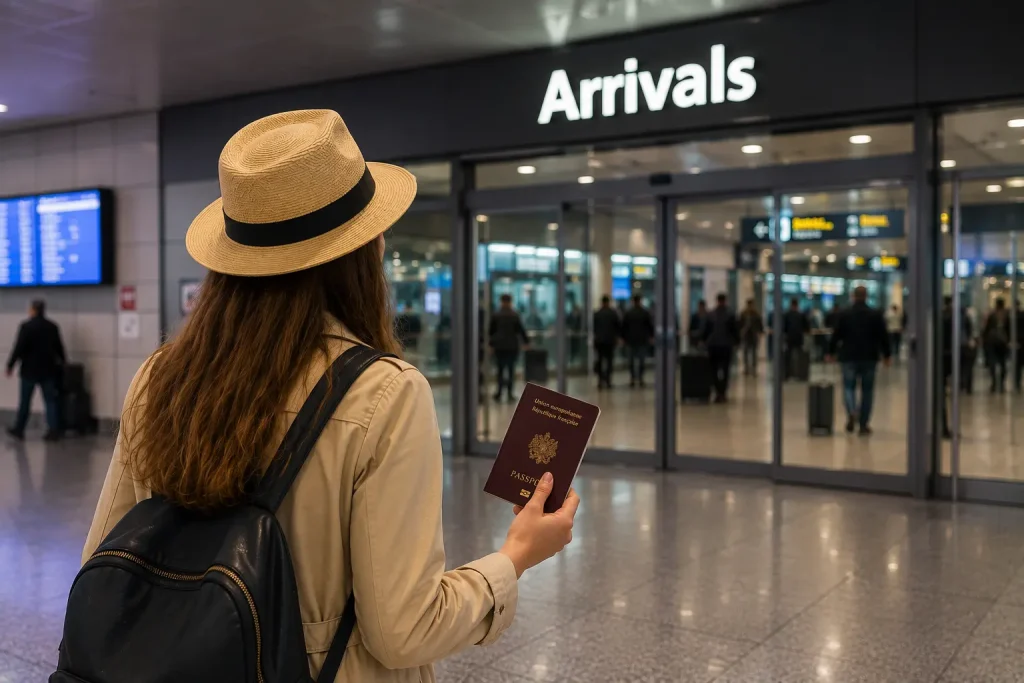
What Is the Entry/Exit System (EES)?
The Entry/Exit System (EES) is a new digital system that records when non-EU travellers enter and leave countries in the Schengen Area, including Belgium. It is designed to modernise border procedures and replace the traditional method of stamping passports.
Under the system, border authorities may record:
- your date and place of entry or exit;
- passport and travel document details;
- a facial photograph;
- fingerprints collected during registration.
This information is stored electronically and linked to your travel record. The goal is to improve border management while creating a more accurate record of short-term visits across participating European countries.
For most travellers, the process will be straightforward. However, the first registration may take longer than a standard passport check because additional information needs to be collected and verified. This is one reason why passengers arriving from outside the EU should allow extra time when passing through border control.
You can find more details about the Entry/Exit System on the official European Union website.
As the new system is rolled out across the Schengen Area, travellers arriving in Belgium should become familiar with the changes before departure.
Who Does EES Apply to When Entering Belgium?
A common question travellers ask is whether the Entry/Exit System applies to them. In general, EES is designed for citizens of countries outside the European Union who visit Belgium and other Schengen countries for short stays.
The system may apply if you are travelling as a:
- Tourist visiting Belgium for a holiday
- Business traveller attending meetings or events
- Family visitor staying with relatives or friends
- Short-term visitor entering the Schengen Area for up to 90 days within 180 days
EES covers both visa-exempt travellers and people who hold a short-stay Schengen visa. This means that even if you do not need a visa to enter Belgium, your entry and exit may still be recorded through the system.
In contrast, EU citizens and travellers who benefit from EU free movement rights are not processed through EES in the same way as non-EU visitors.
If you are unsure whether the new Belgium Schengen entry rules apply to your trip, checking your nationality and travel status before departure is the easiest way to avoid confusion. Most non-EU travellers Belgium welcomes each year should expect EES procedures to be part of their arrival experience.
What Is ETIAS and Will You Need It for Belgium?
ETIAS is an upcoming travel authorisation system for visitors who can currently enter the Schengen Area without a visa. It is important to understand that ETIAS is not a visa. Instead, it is a pre-travel authorisation that eligible travellers will need to obtain online before their trip.
Once introduced, ETIAS will apply to visa-exempt visitors travelling to Belgium and other participating European countries. This includes travellers from countries such as the United Kingdom, the United States, Canada, and Australia. The application process is expected to be completed online and should take place before departure.
If you’re wondering, “Do I need ETIAS for Belgium?”, the answer will depend on your nationality and the date of your trip. At the time of writing, ETIAS has not yet become operational. According to current EU timelines, ETIAS is scheduled to be introduced during the last quarter of 2026. Travellers should check the latest updates before making travel plans.
You can learn more about the ETIAS travel authorisation on the official European Union website.
Understanding the difference between ETIAS and a traditional visa can help you prepare for future travel requirements and avoid confusion when planning your trip to Belgium.
Will Border Checks Take Longer at Belgian Airports?
For some travellers, the answer is yes. The introduction of EES means that first-time registrations may take longer than a standard passport check, particularly for non-EU visitors entering the Schengen Area. During this process, border authorities may need to collect a facial image and fingerprints before completing your registration.
Waiting times may be longer because of:
- first-time EES registration;
- peak holiday travel periods;
- multiple international flights arriving at the same time;
- processing families and larger groups.
Passenger volumes can vary between Brussels Airport and Brussels South Charleroi Airport, so queue lengths and processing times may differ depending on where you land. If you’re flying through Brussels Airport, you can check the latest information about EES at Brussels Airport before your departure.
The best approach is to avoid planning a tight schedule immediately after landing. Whether you’re heading to a hotel, a business meeting, or another city, allowing extra time for Belgium airport border control can make your arrival in Belgium 2026 much less stressful. If you’ve booked a Brussels Airport transfer, a flexible pickup arrangement can provide additional peace of mind.
Arriving at Charleroi or Brussels Airport: What Should You Plan?
Once your flight lands in Belgium, your journey isn’t quite over yet. Before heading to your hotel or final destination, you’ll need to complete several arrival procedures. Depending on passenger volumes and whether you’re being registered in EES for the first time, this part of the process may take longer than expected.
After landing, most travellers will typically need to:
- pass border control;
- complete any required EES procedures;
- collect checked baggage;
- continue their journey to the city or hotel.
Your choice of airport can also affect your onward travel plans. Brussels Airport offers convenient access to the capital and excellent transport connections across the country. Charleroi Airport, on the other hand, is located further south, so reaching cities such as Brussels, Bruges, Ghent, or Antwerp can take additional time.
For that reason, it’s a good idea to arrange your transport before you travel. Booking a Charleroi Airport transfer in advance can help you avoid waiting for buses or searching for transport after a long flight. If you’re landing near the capital, a pre-booked airport transfer to Brussels can make the final part of your journey much easier.
Planning your airport transfer in Belgium ahead of time allows you to focus on enjoying your trip rather than dealing with last-minute travel arrangements after arrival.
What Should You Check Before Travelling to Belgium in 2026?
A few simple checks before departure can help you avoid unnecessary stress when arriving in Belgium. As entry procedures continue to evolve, it’s worth spending a few minutes reviewing your travel documents and plans.
Here’s a practical Belgium travel checklist 2026:
- Make sure your passport is valid for your planned trip.
- Check whether you need a visa or whether ETIAS will apply to your nationality.
- Review any document requirements requested by your airline before departure.
- Allow extra time for border control, baggage collection, and possible EES registration after landing.
- Plan how you’ll travel from the airport to your hotel or final destination.
- Keep emergency contact details and official travel resources easily accessible.
For the latest updates, consult the official travel information for Belgium before your trip.
If you’ve already arranged an airport transfer in Belgium, you’ll have one less thing to think about after landing. A little preparation goes a long way, especially when adapting to the latest Belgium travel requirements.
FAQ: Belgium Entry Rules 2026
Do UK Citizens Need ETIAS to Visit Belgium?
Once ETIAS becomes operational, UK citizens travelling to Belgium for short stays will be required to obtain an ETIAS authorisation before departure. The system is expected to apply to visa-exempt travellers and is planned to launch later in 2026. ETIAS is not a visa, but it will be a mandatory pre-travel requirement for eligible visitors.
Is EES the Same as ETIAS?
No. Although the two systems are connected to travel within Europe, they serve different purposes. EES is a border registration system that records entries and exits when you cross the border. ETIAS is a travel authorisation that eligible visitors must obtain online before travelling.
Will I Still Get a Passport Stamp When Entering Belgium?
In many cases, no. The Entry/Exit System is designed to replace manual passport stamps for many non-EU travellers. Instead, your entry and exit information will be stored digitally in the system. However, procedures may vary during the transition period as EES continues to be implemented.
Should I Book My Airport Transfer Later Because of EES Checks?
Not necessarily. A better approach is to allow extra time after landing, especially if you’re likely to go through first-time EES registration. When booking a transfer, choose a service with clear pickup instructions and flight monitoring whenever possible. This can help reduce stress if border checks or baggage collection take longer than expected.